Vientiane · Laos · 2016 — 2026

Boy
the Gibbon

Ten years in the life of a yellow-cheeked gibbon who arrived small enough to hold in your hands — and never left.

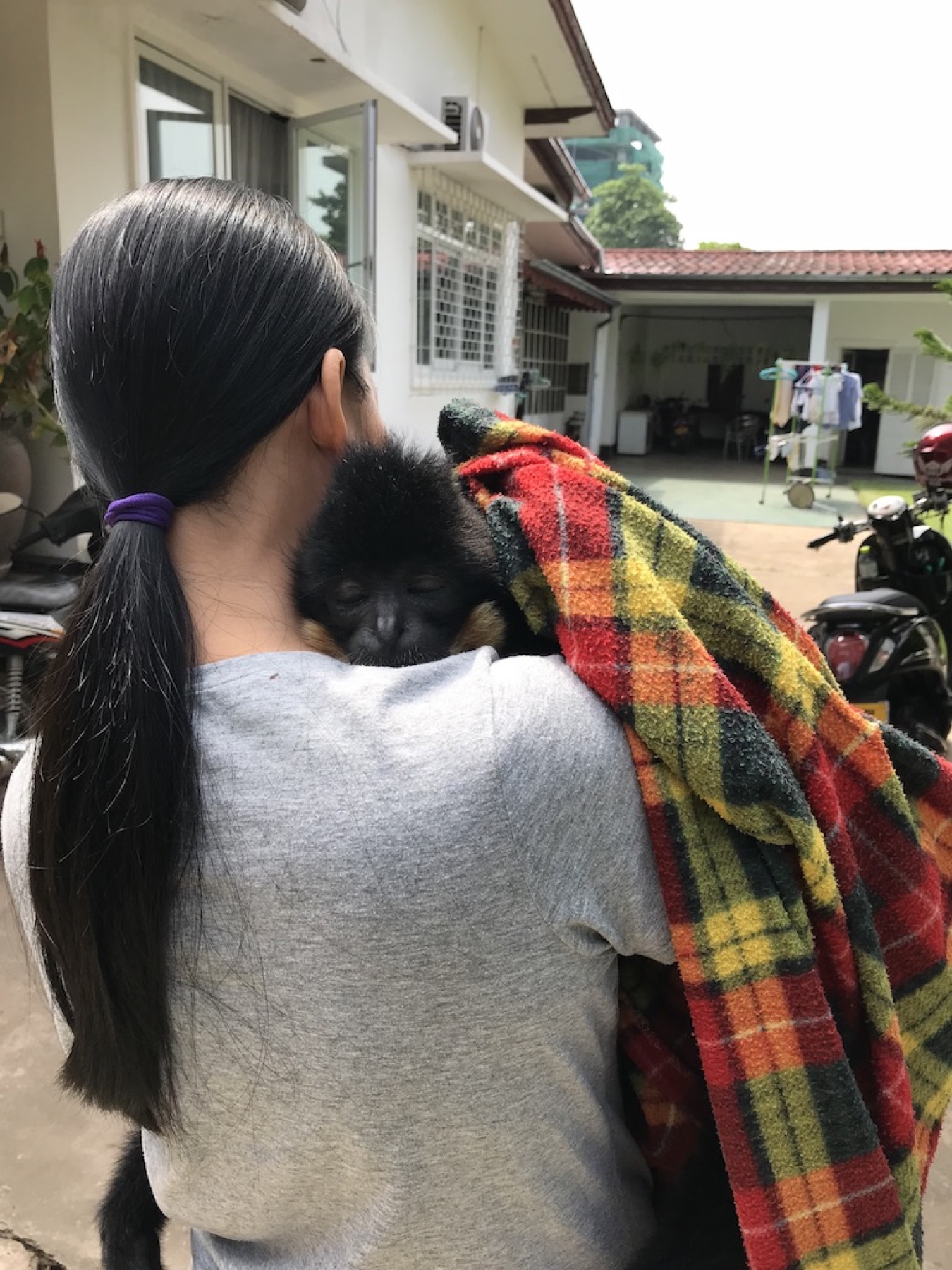
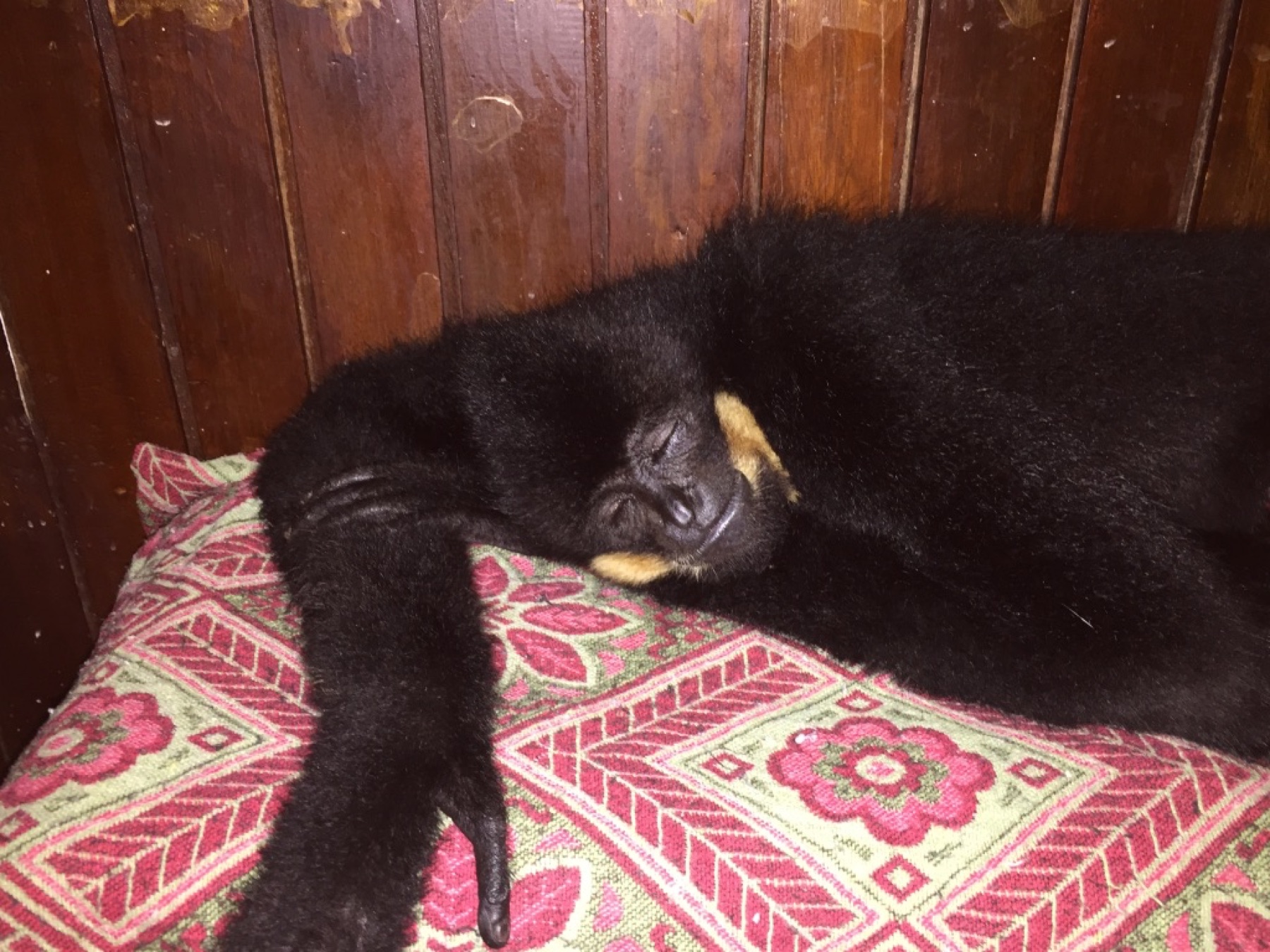
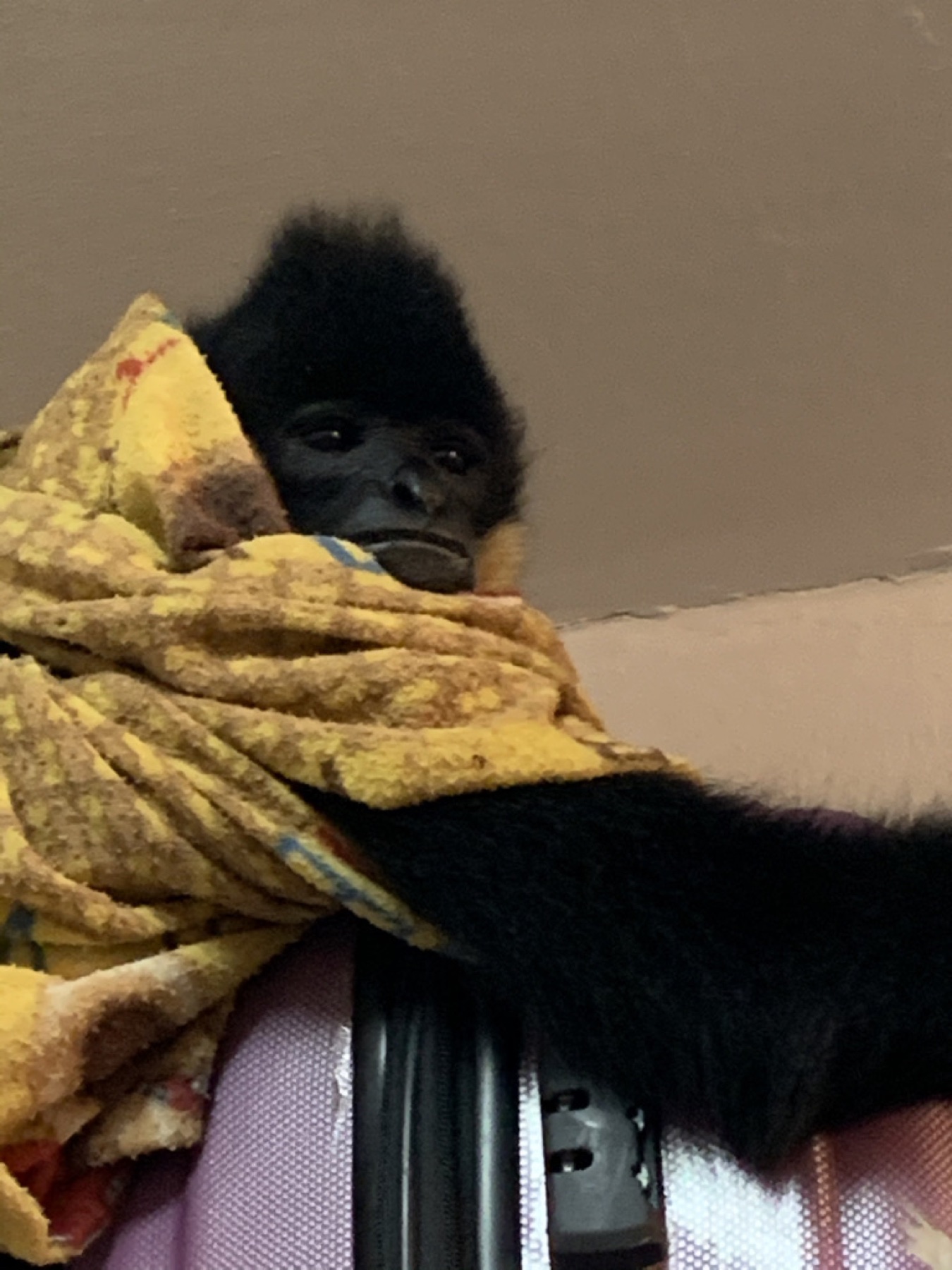
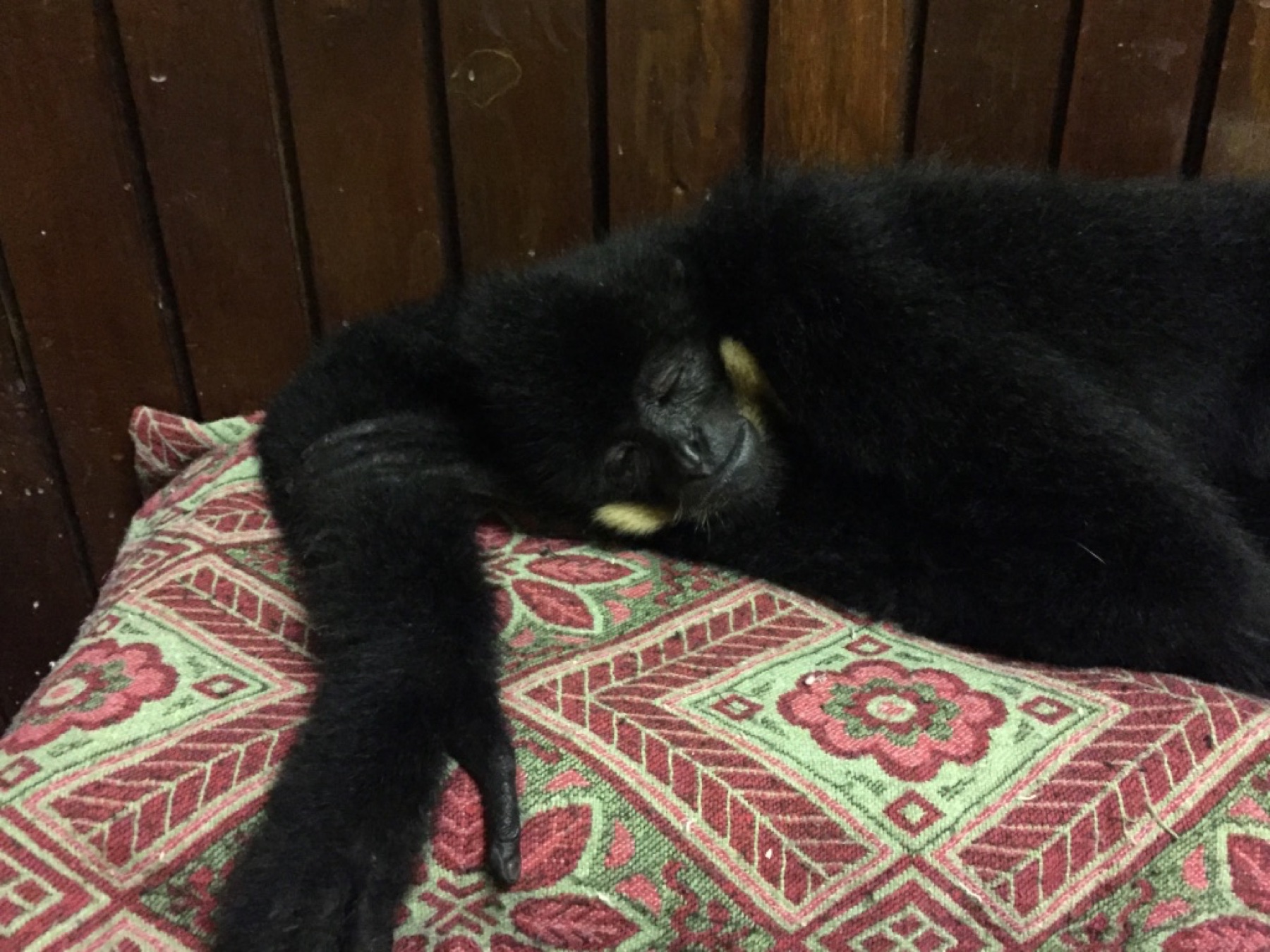
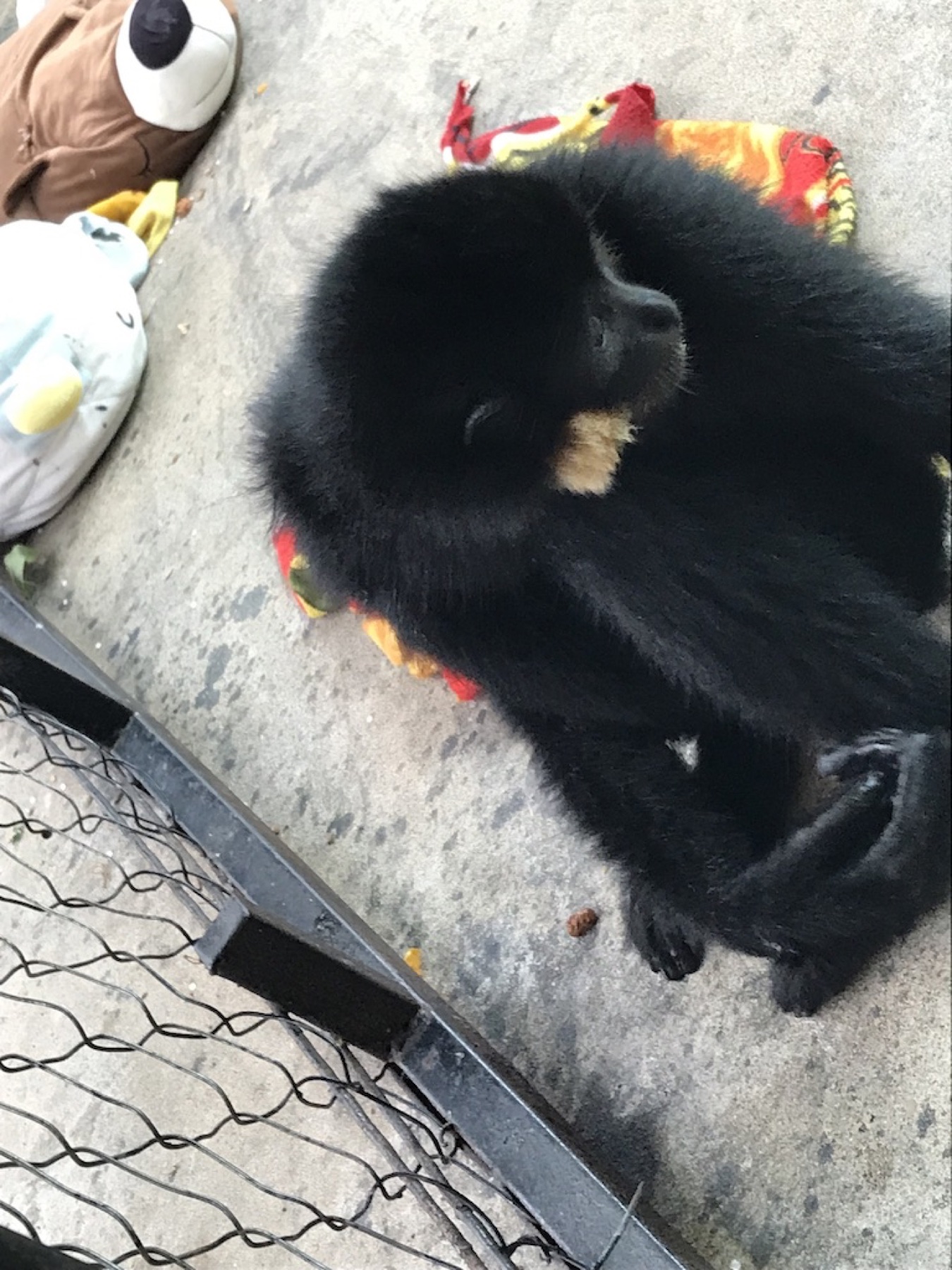
Boy the gibbon as a baby, August 12 2016, Vientiane Laos
12 August, 2016  ·  Chapter I

He arrived like a rumour
that turned out to be
completely true.

Small enough to hold in two hands. Dark as the hour before dawn — with two golden patches on his cheeks that caught the light like coins thrown into a fountain for luck.

He moved in careful, exploratory steps across wooden floors he hadn't yet mapped. The world was enormous and he was tiny, and somehow neither of those facts seemed to concern him.

He had no name yet. That would come. First, there were things to climb, corners to investigate, and a family who didn't yet know that their life had just quietly divided itself into before and after.

Vientiane, Laos — Photo 1 of 1,147
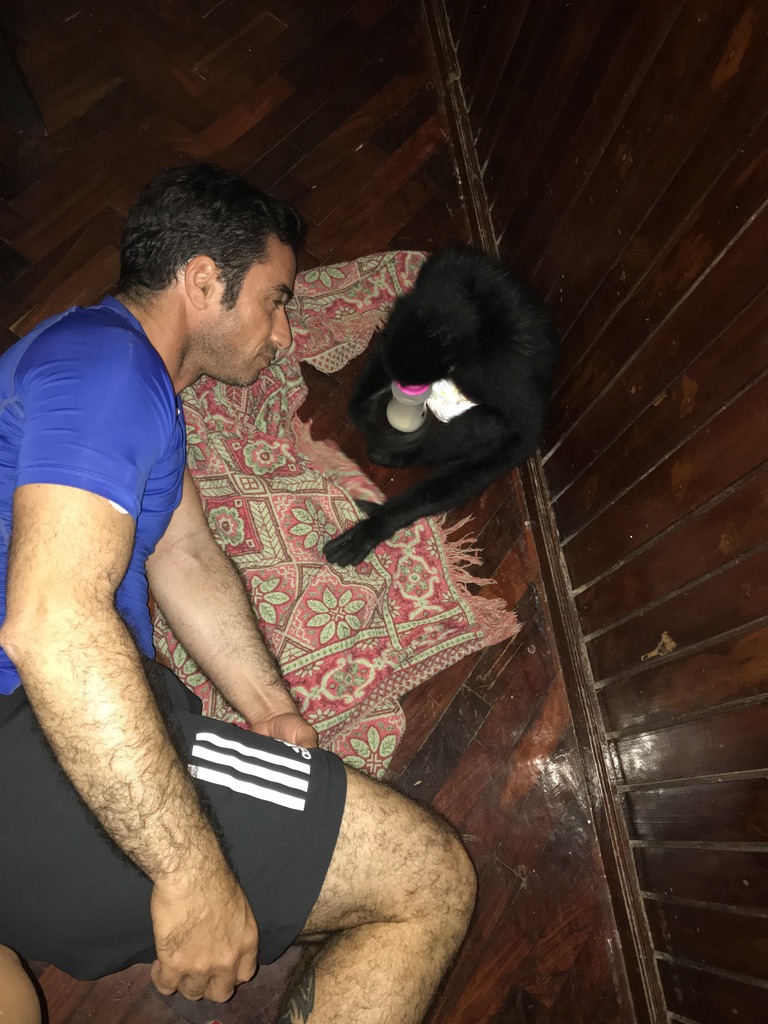
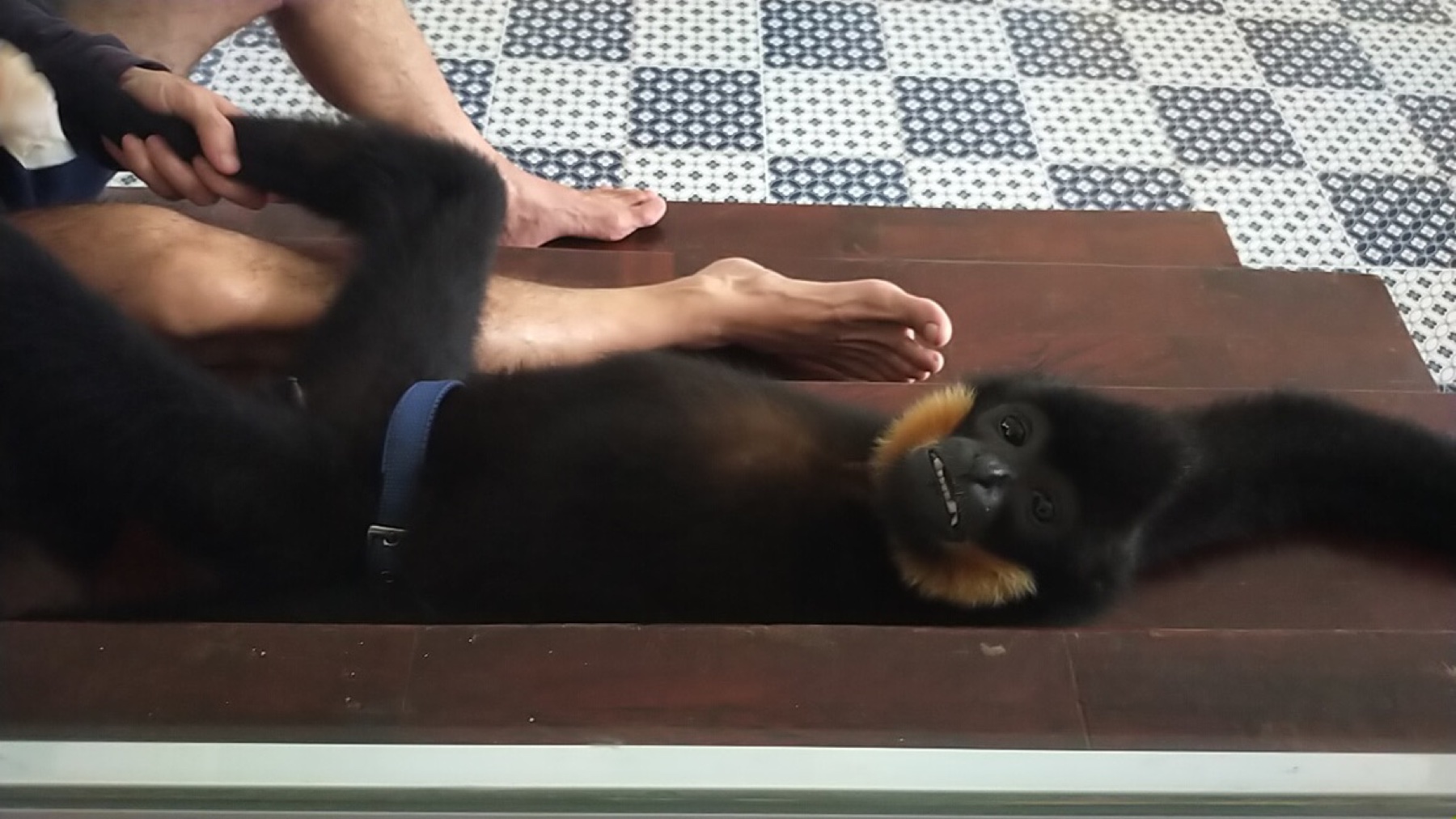
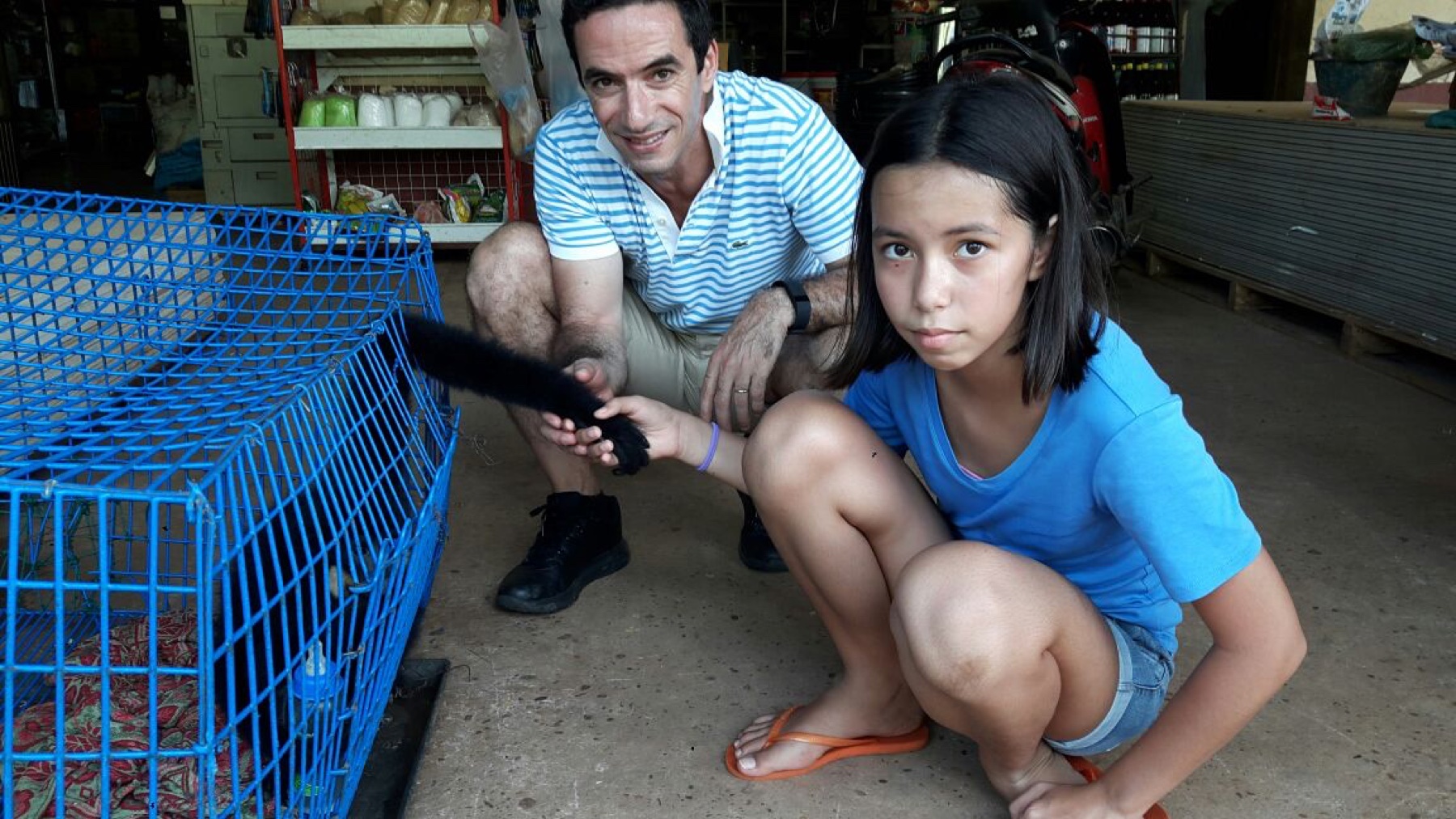
Boy the gibbon drinking from a baby bottle, 2017, Vientiane
March 1, 2017  ·  Chapter II

He held the bottle
with both hands —
the grip of someone
who knows how to be loved.

A pink cap. A floral blanket. A diaper small enough to make you laugh and ache at once.

They raised him the way you raise a child: with bottles and bedtimes, warmth and patience and the particular tenderness reserved for living things who cannot yet ask for what they need, but need it desperately all the same.

He was not a pet. He was not a wild animal. He was something that has no clean category — a life that had chosen to meet another life halfway, and been met in return.

Vientiane, Laos

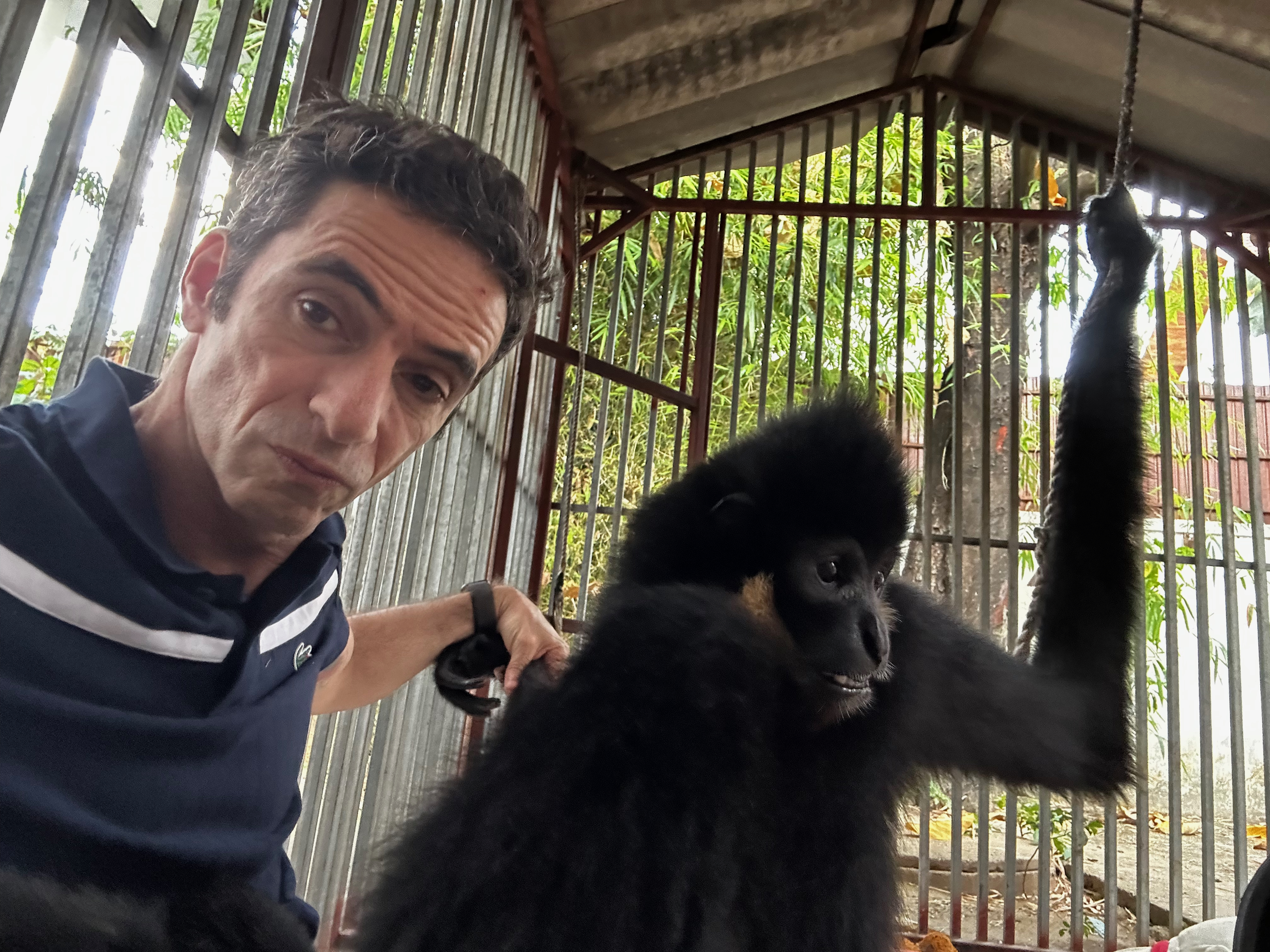
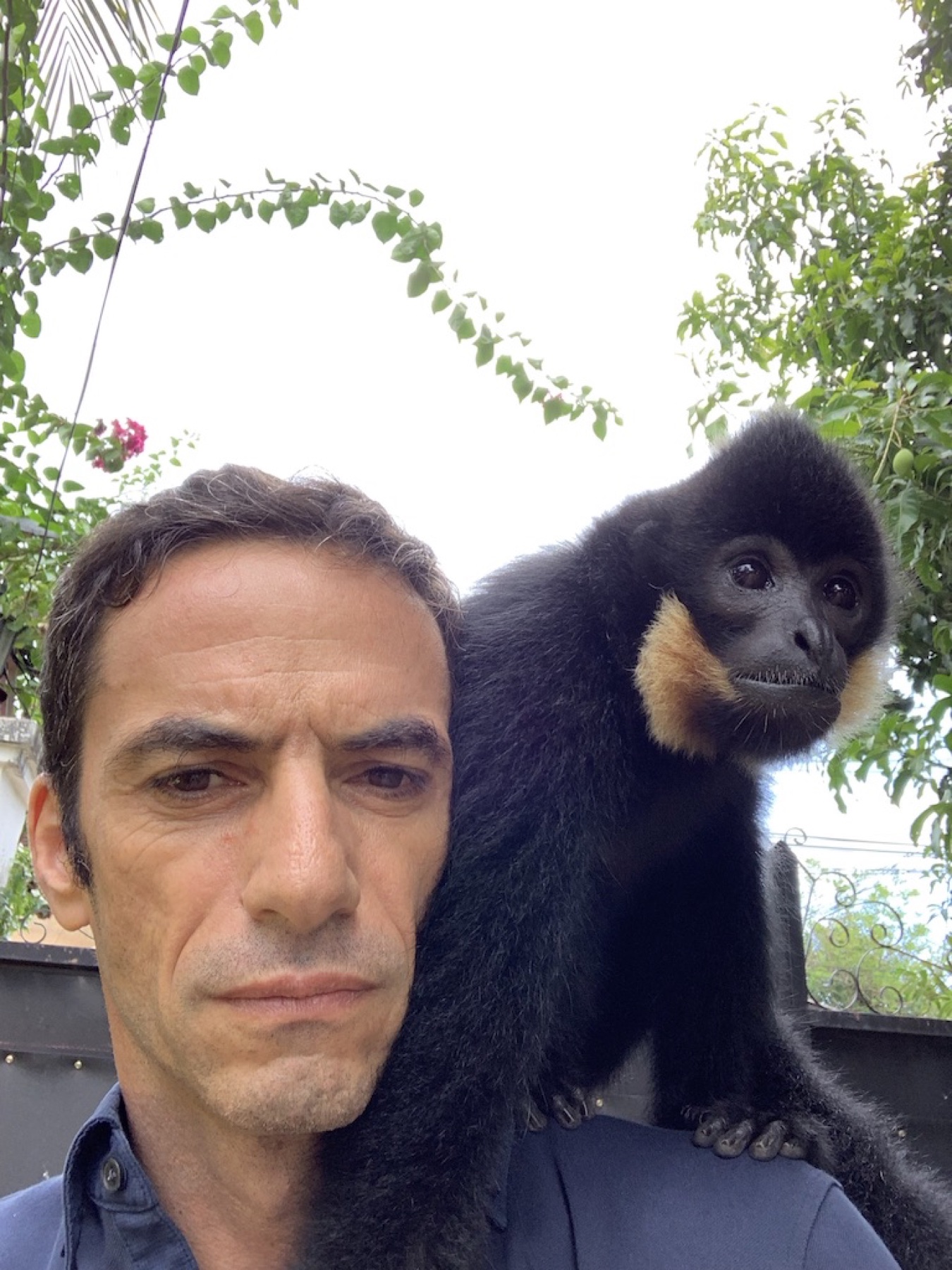
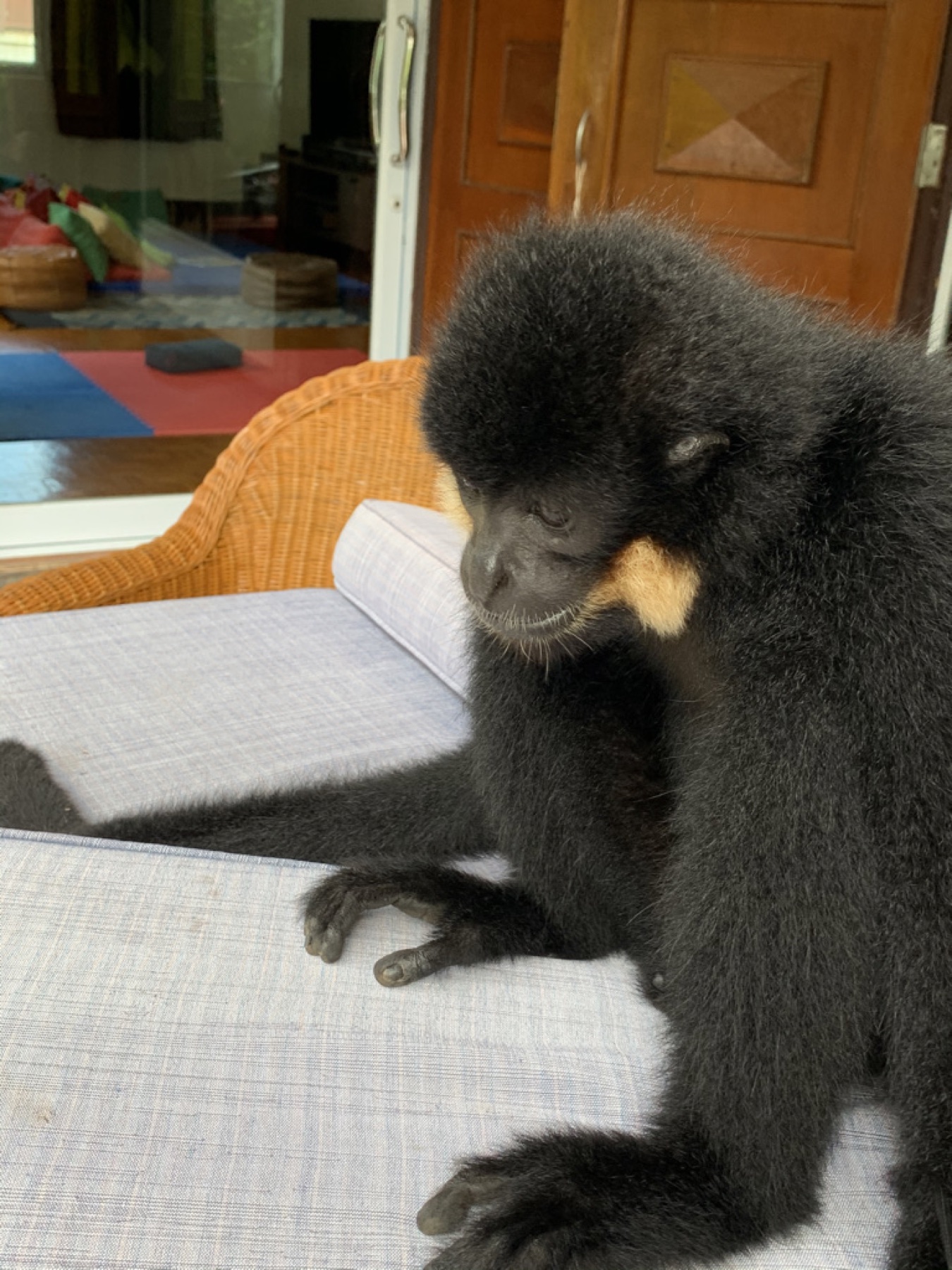
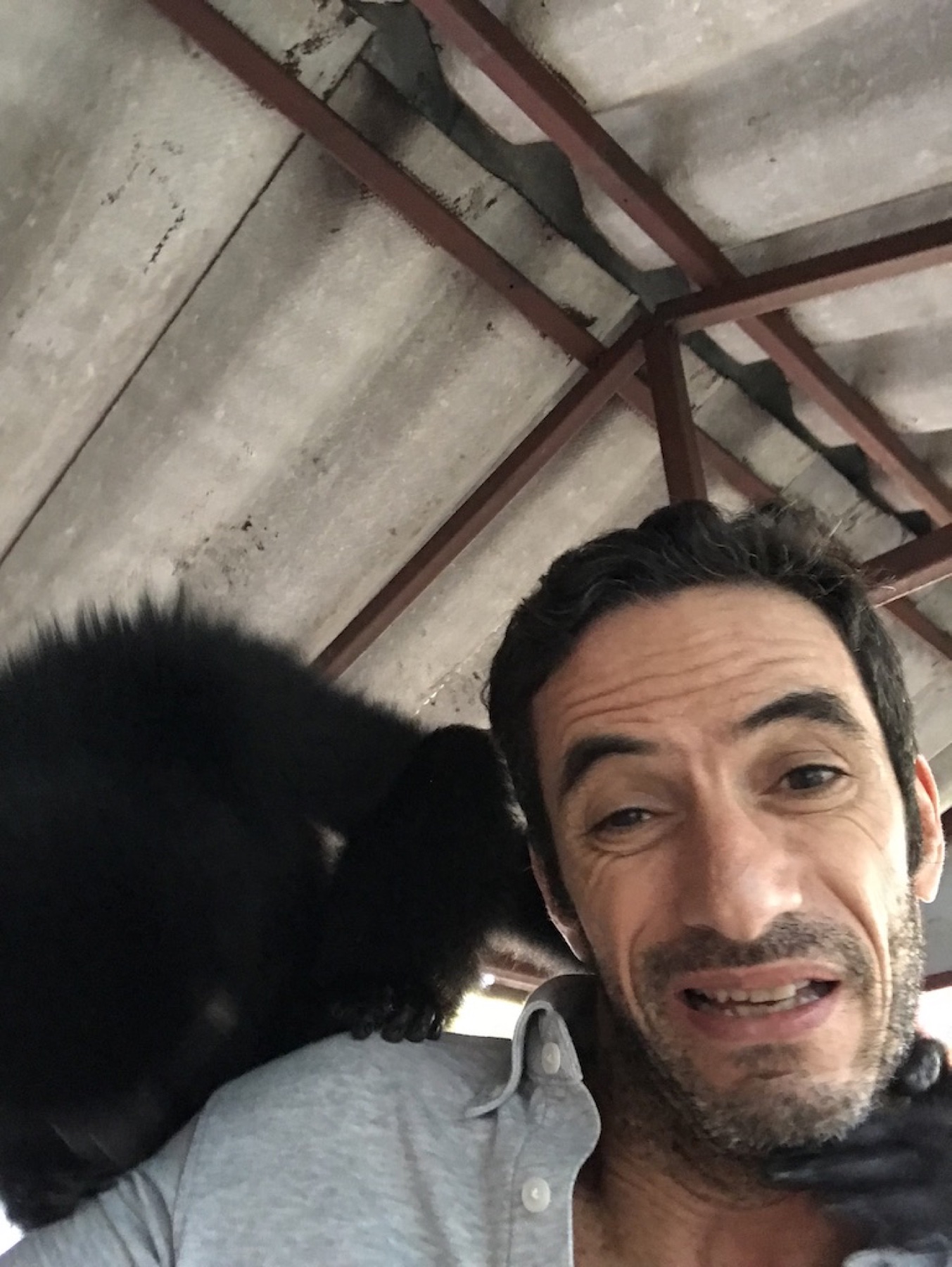
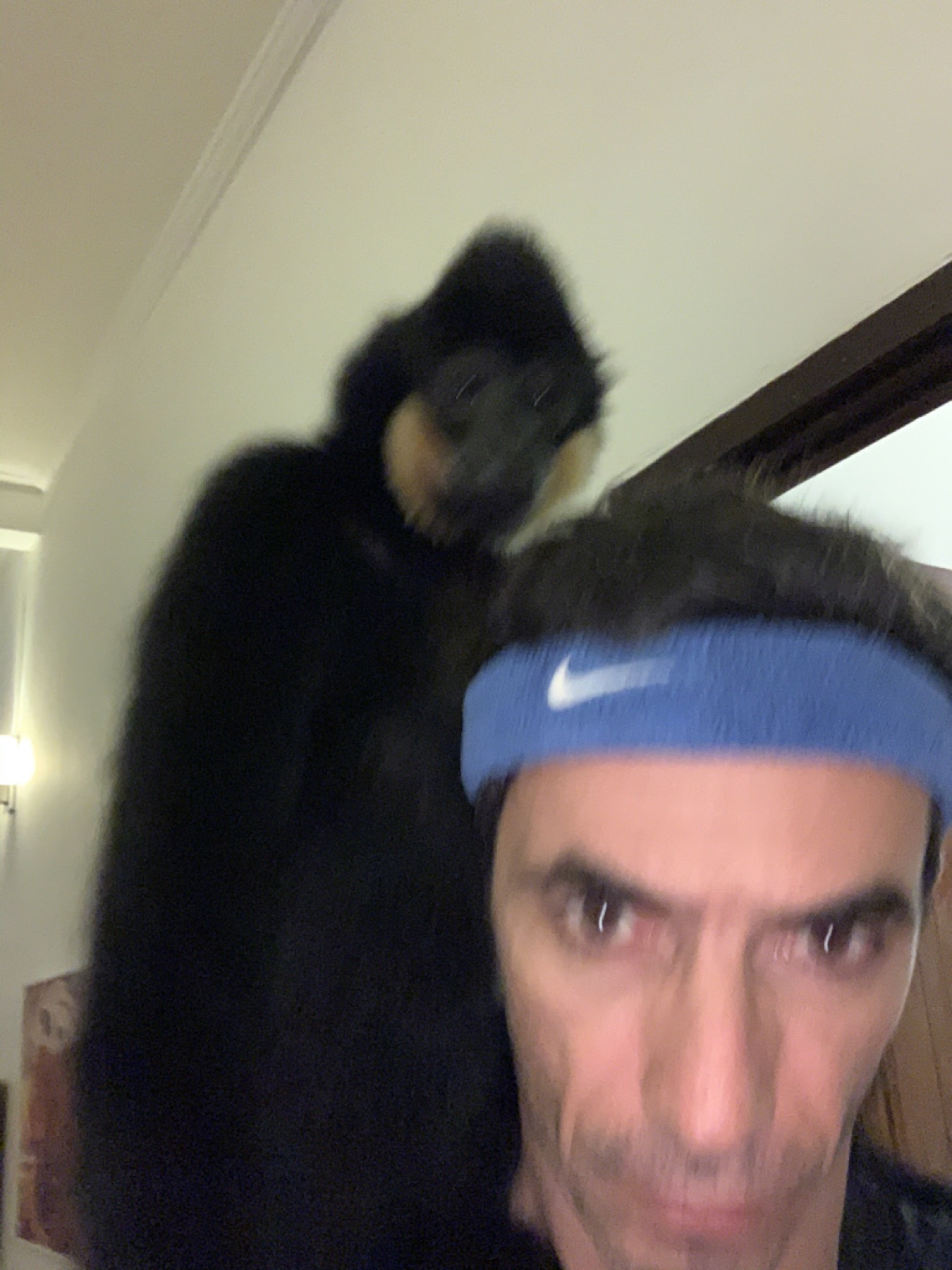
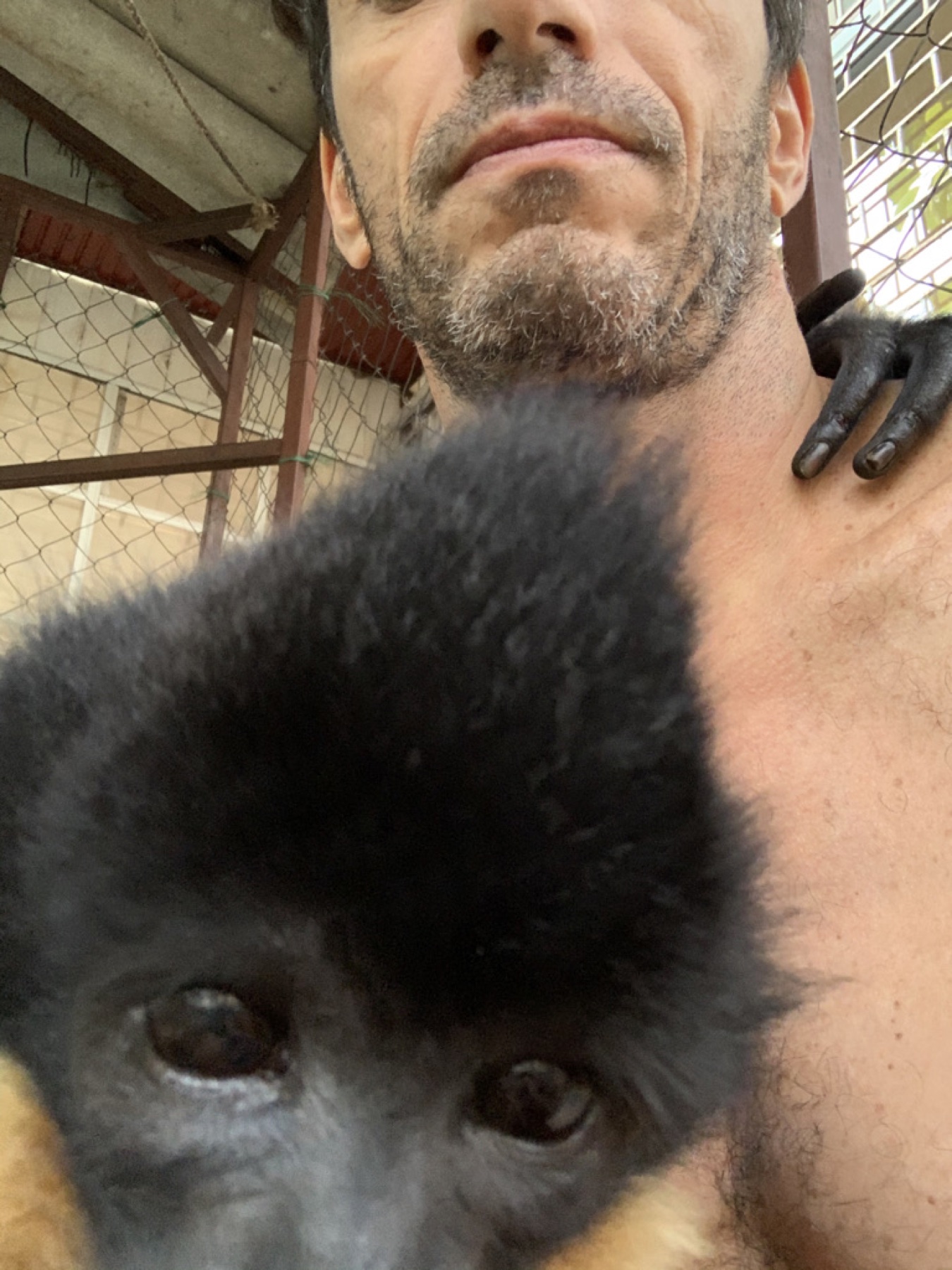
Boy the gibbon perched on Jean-Paul's shoulder, June 2019
June 2, 2019  ·  Chapter III

From up there,
everything made
perfect sense.

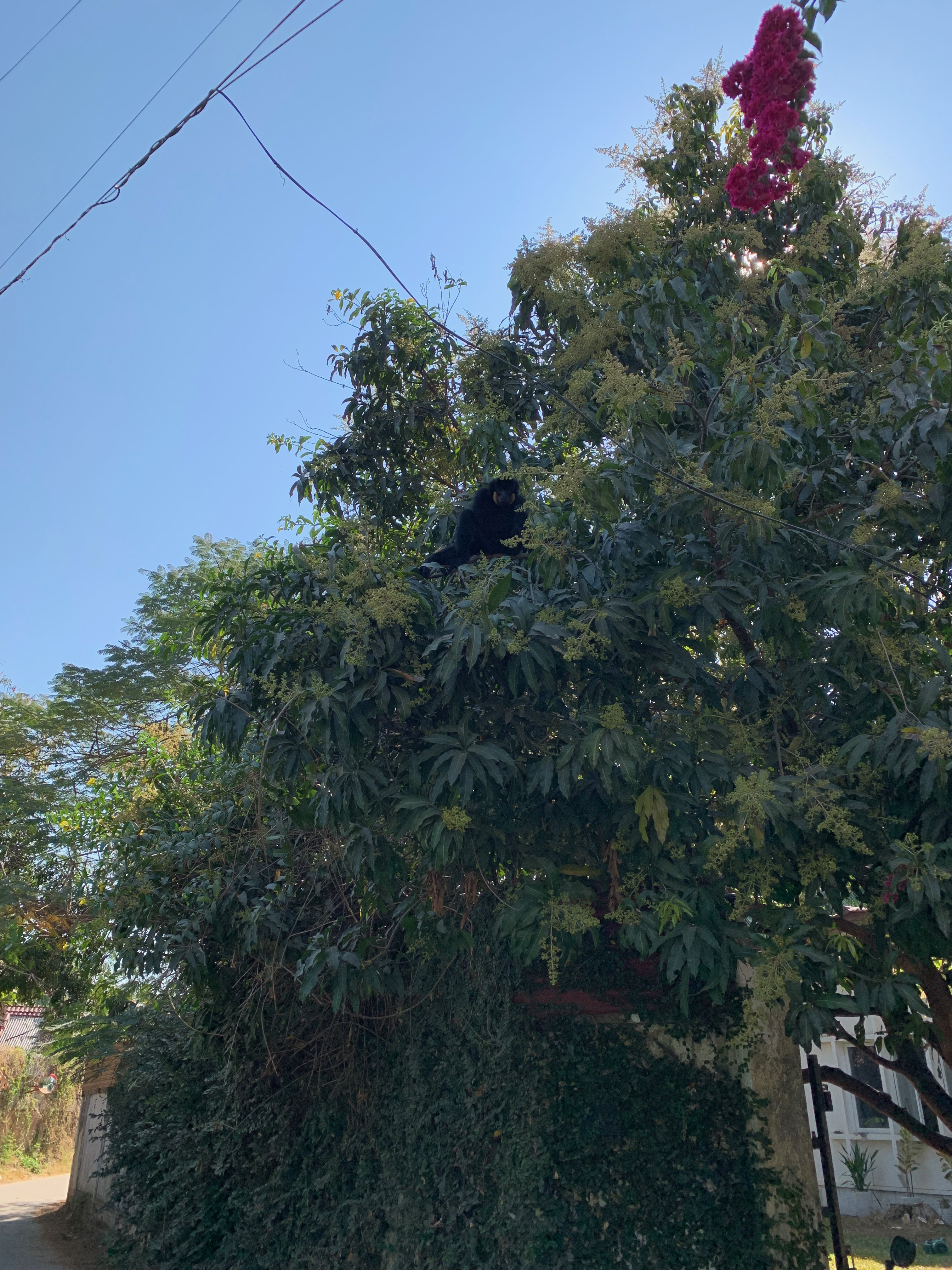
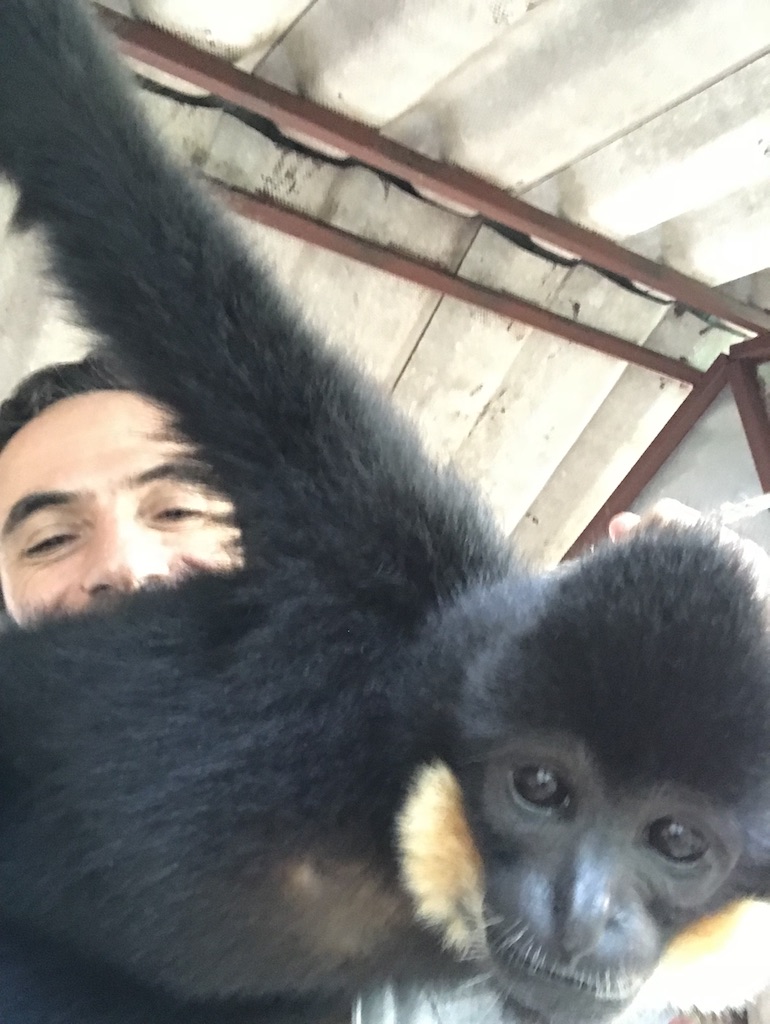
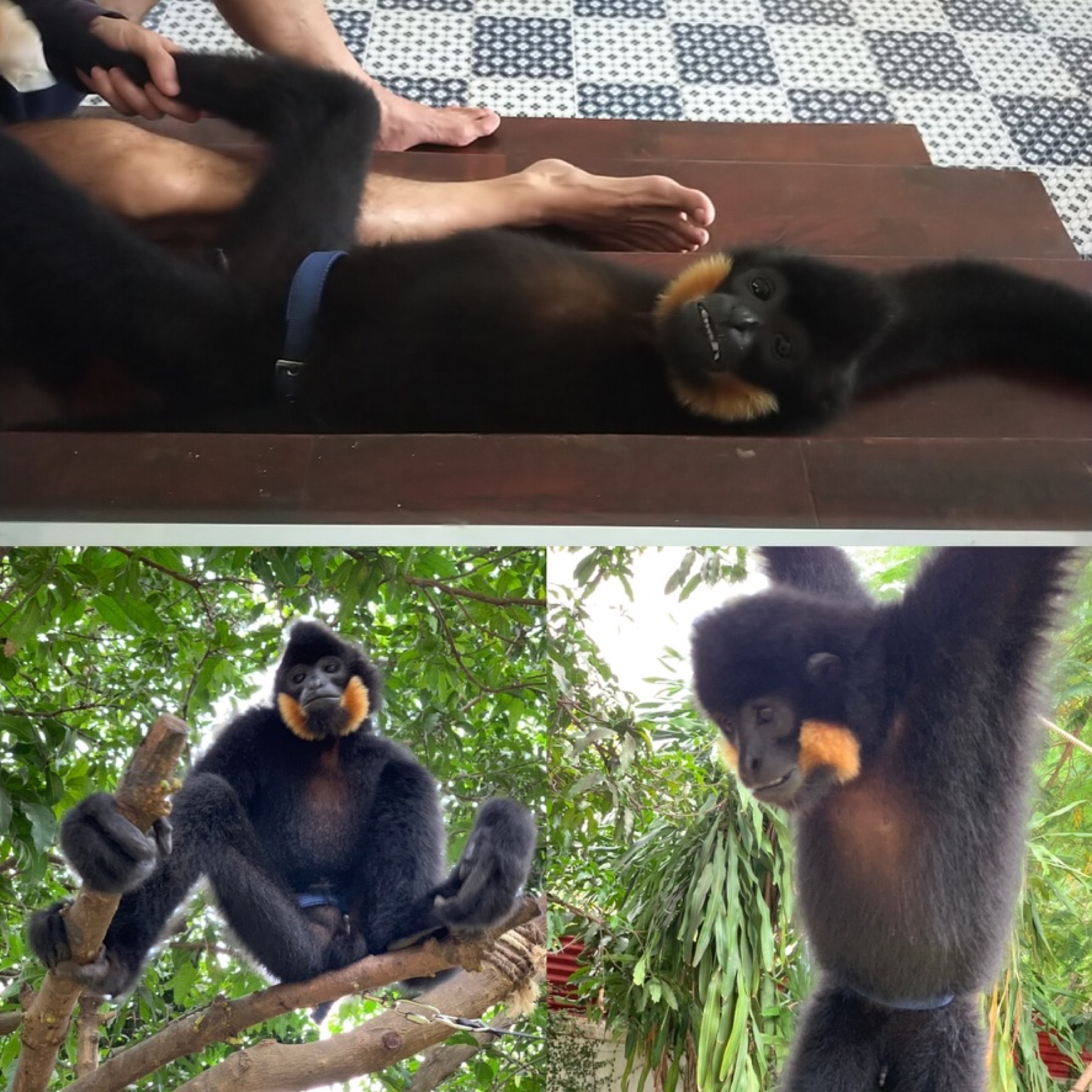
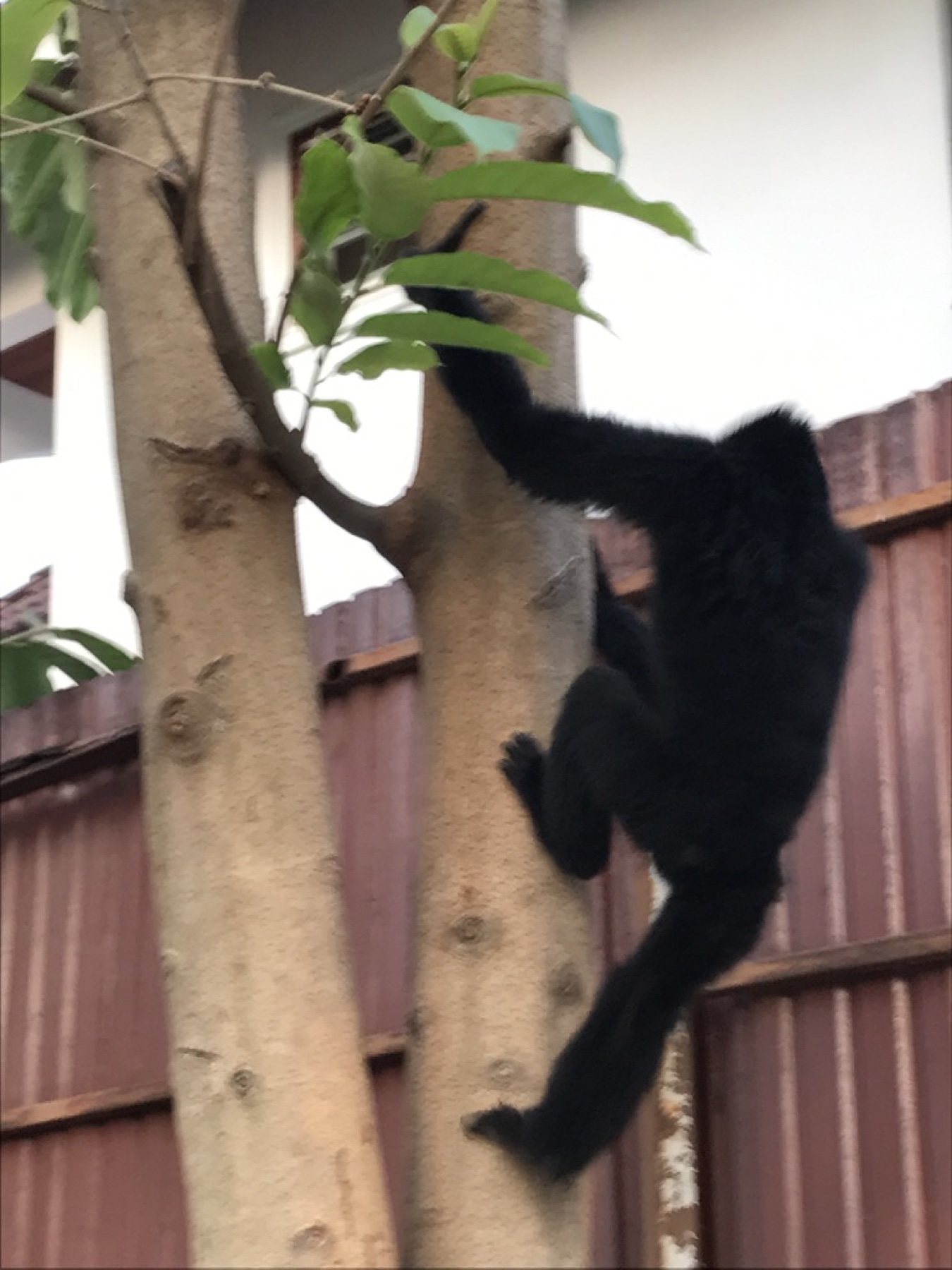
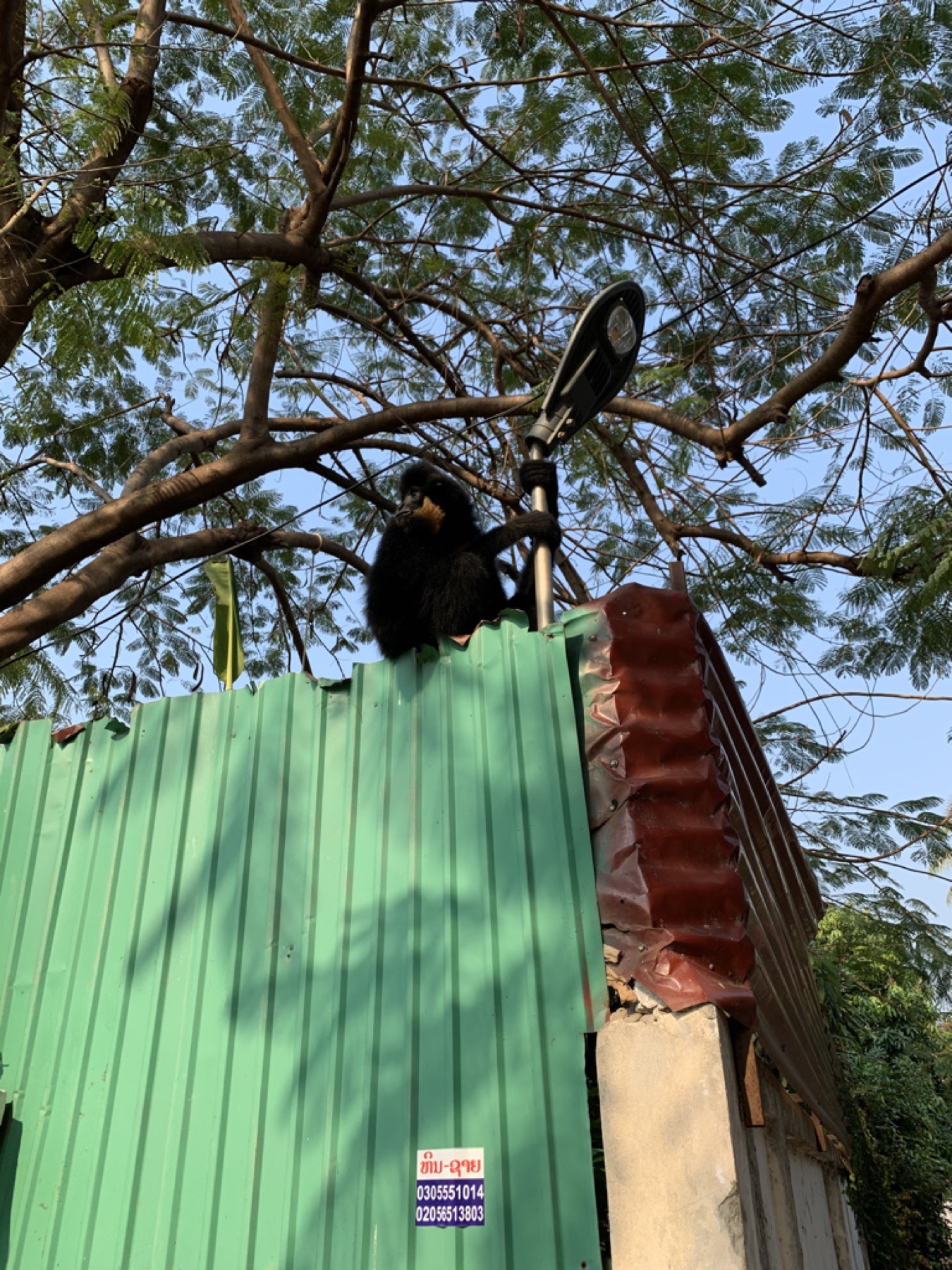
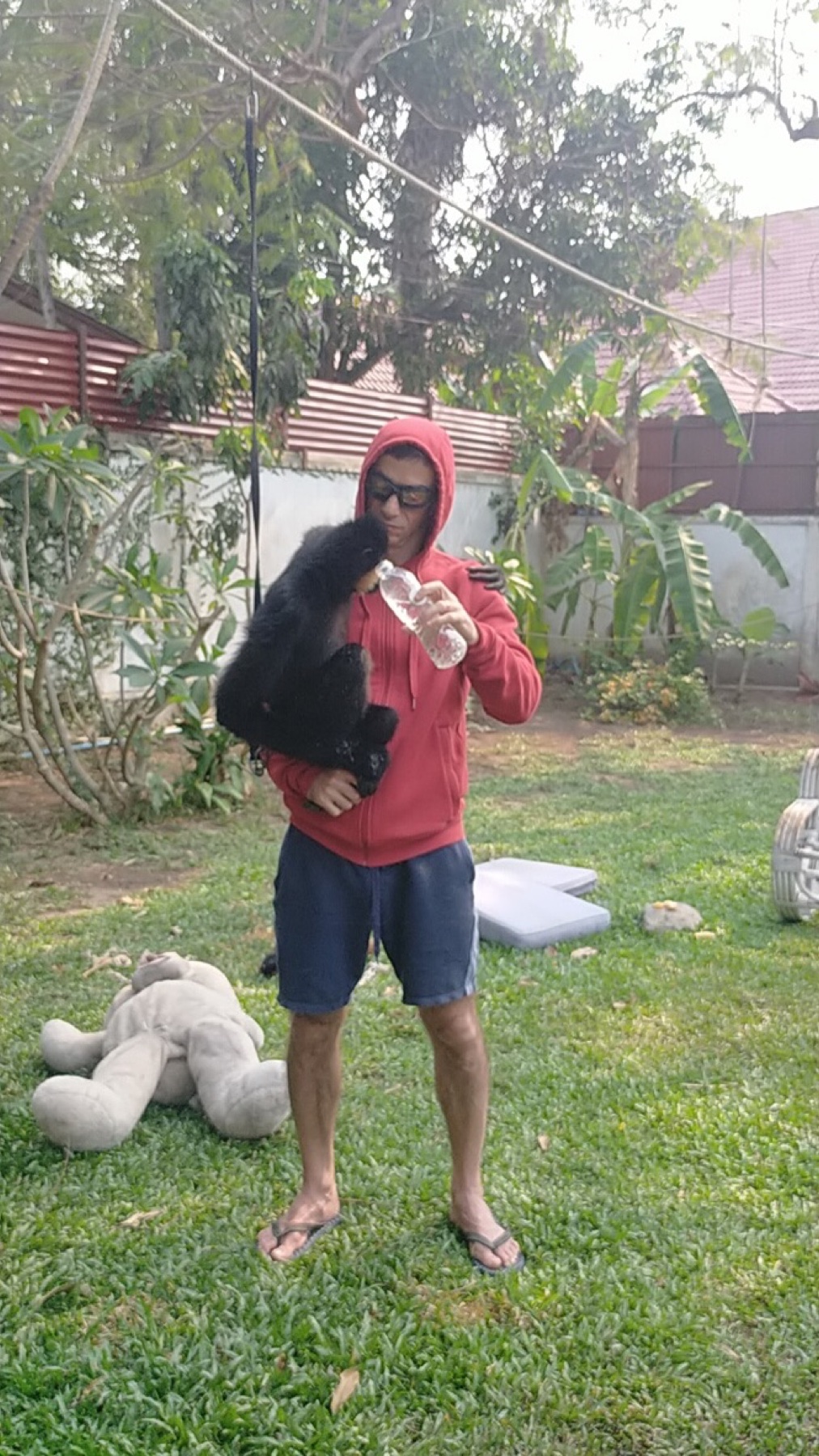
By 2019, Boy had reached a conclusion all gibbons eventually reach: the ground is for other creatures. He preferred elevation — the roof's edge, the top of a doorframe, a human shoulder.

He rode there like a king surveying a kingdom he hadn't declared but had always assumed was his. The people below moved in their slow, earthbound way, and he watched with an expression equal parts affection and mild bewilderment.

He was not tame. He was simply here — which is a different thing entirely.

Vientiane, Laos

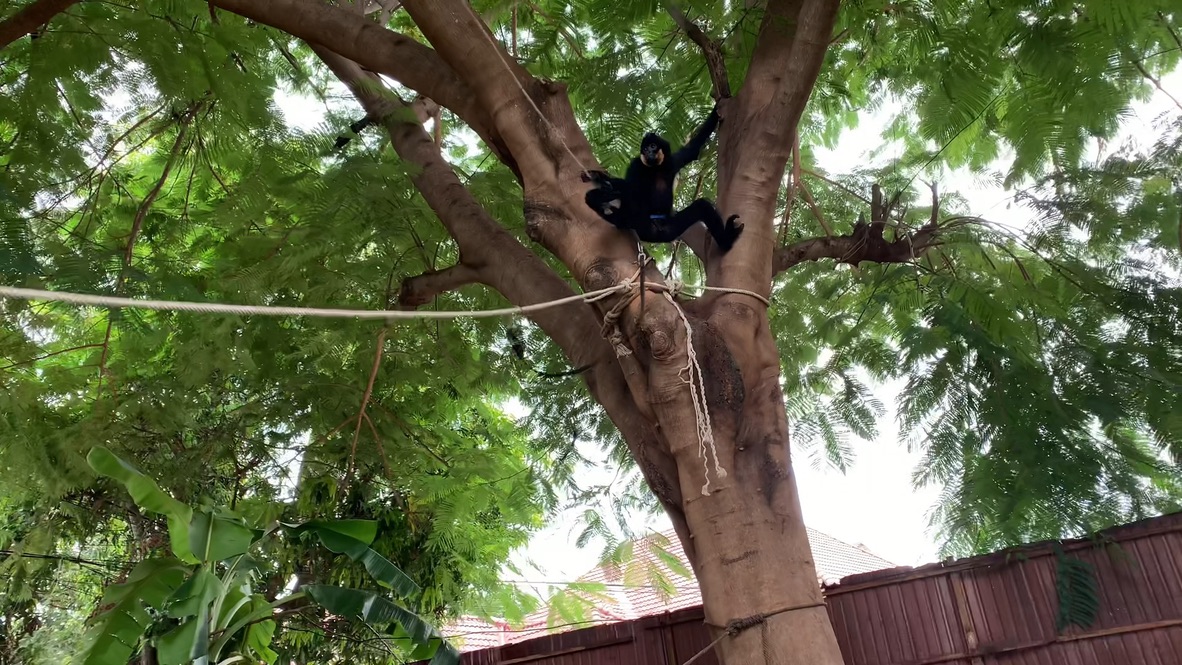
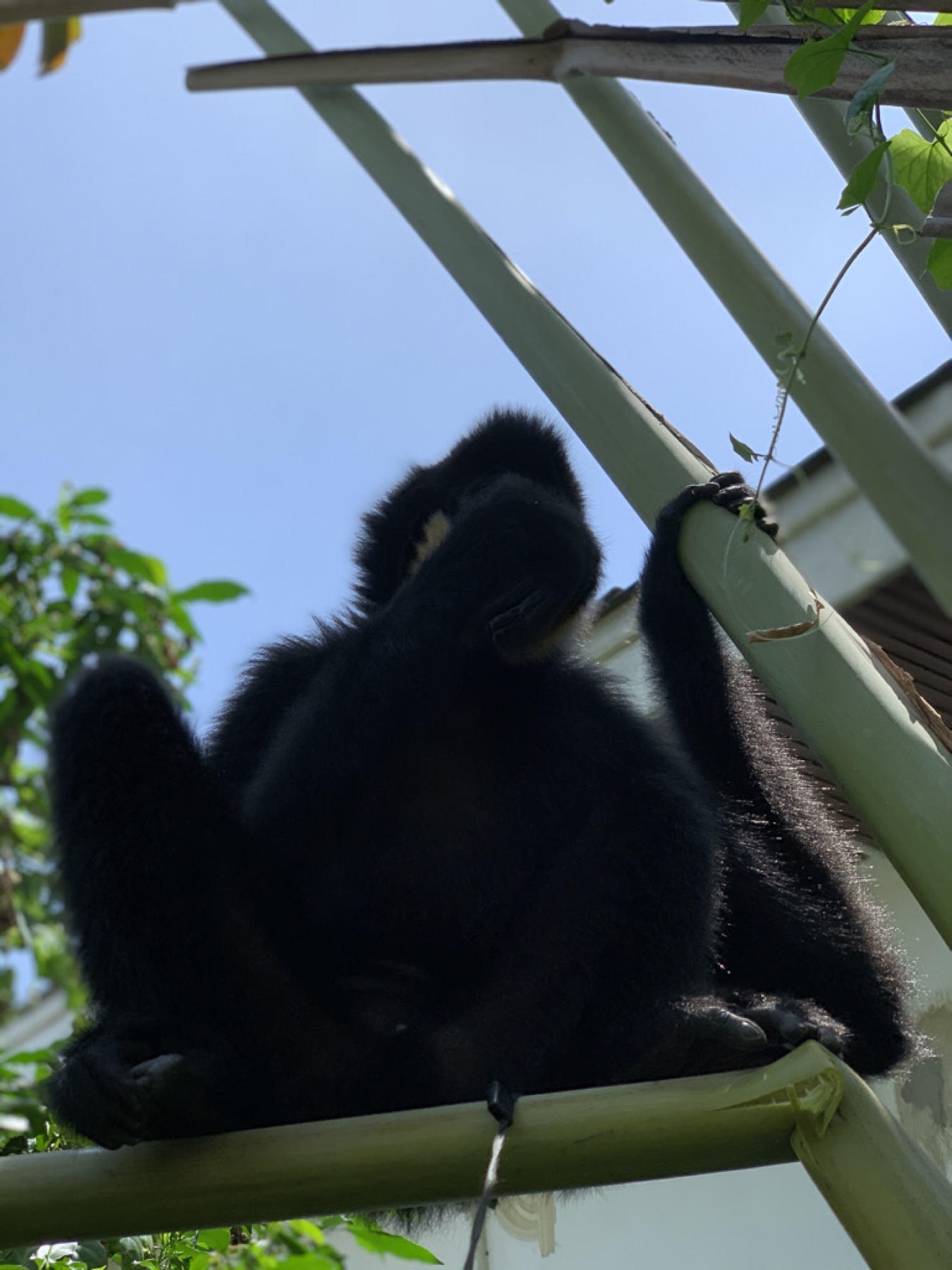
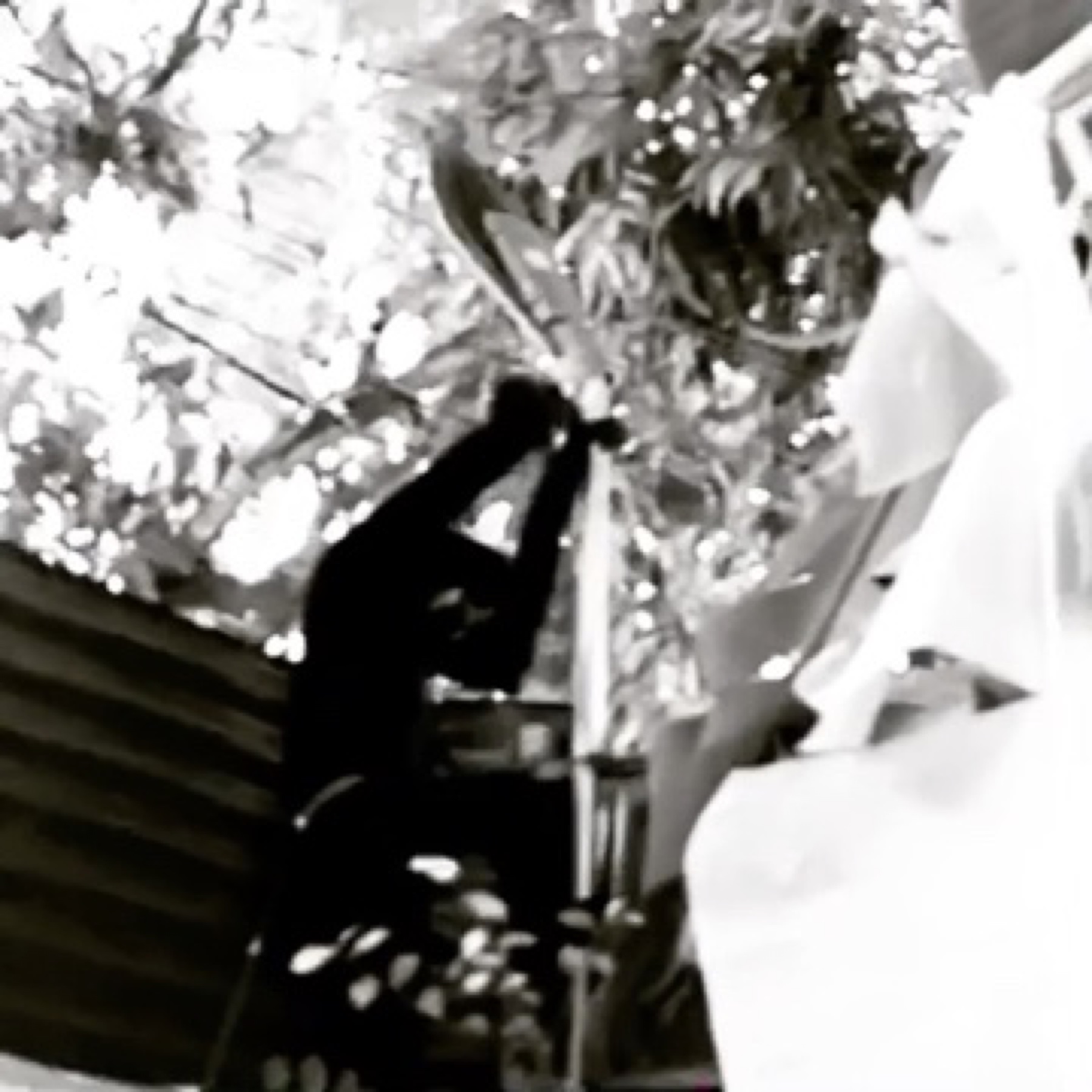
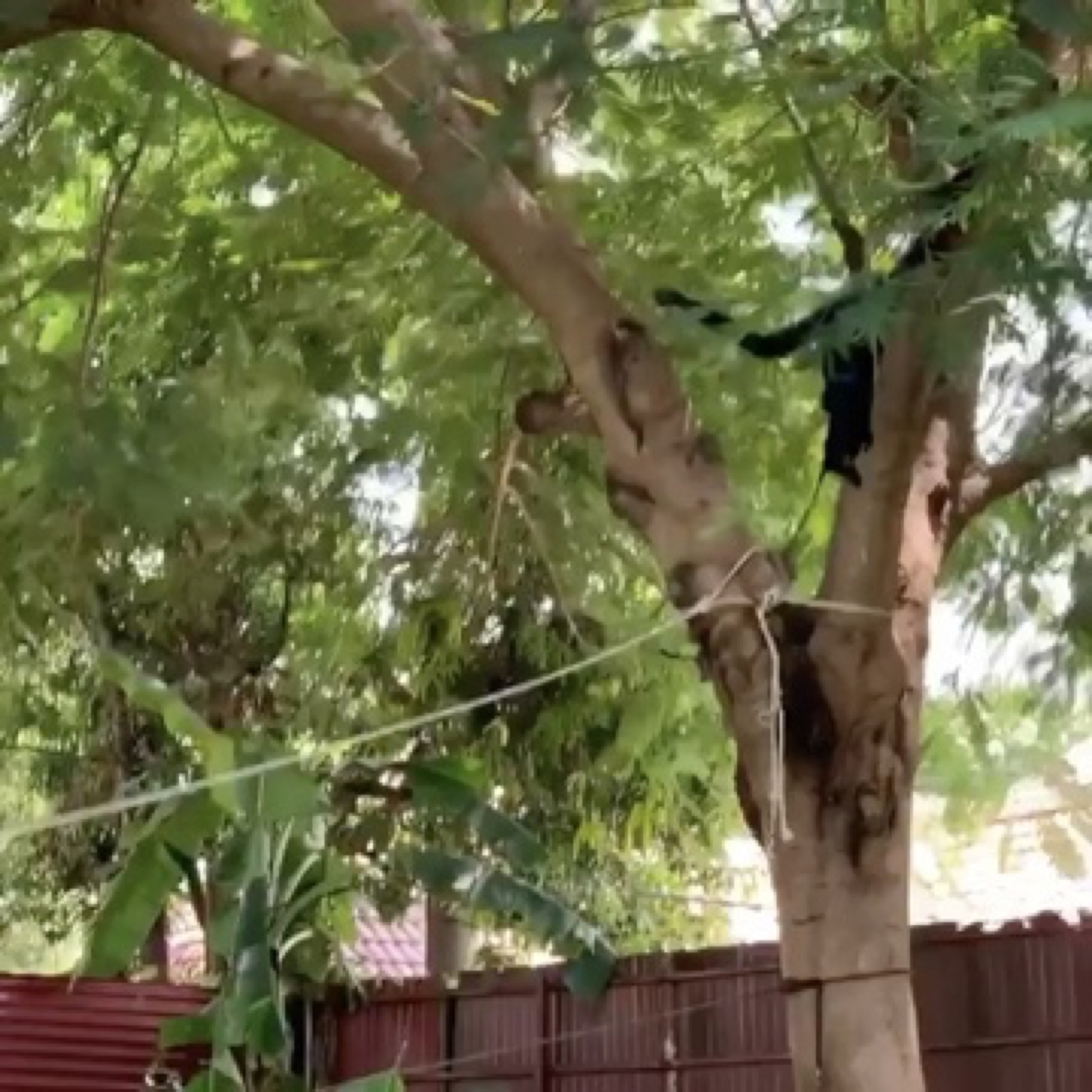
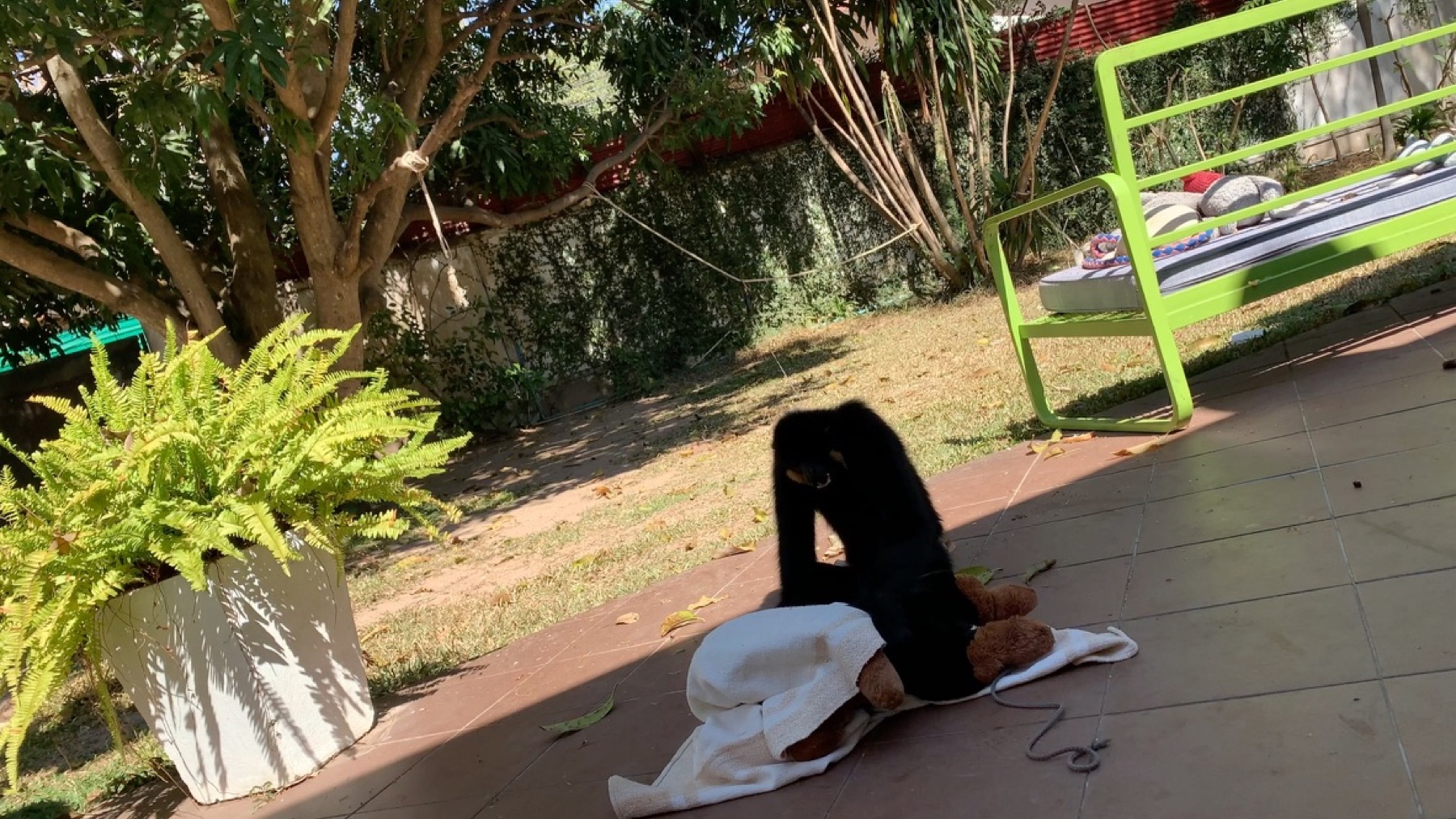
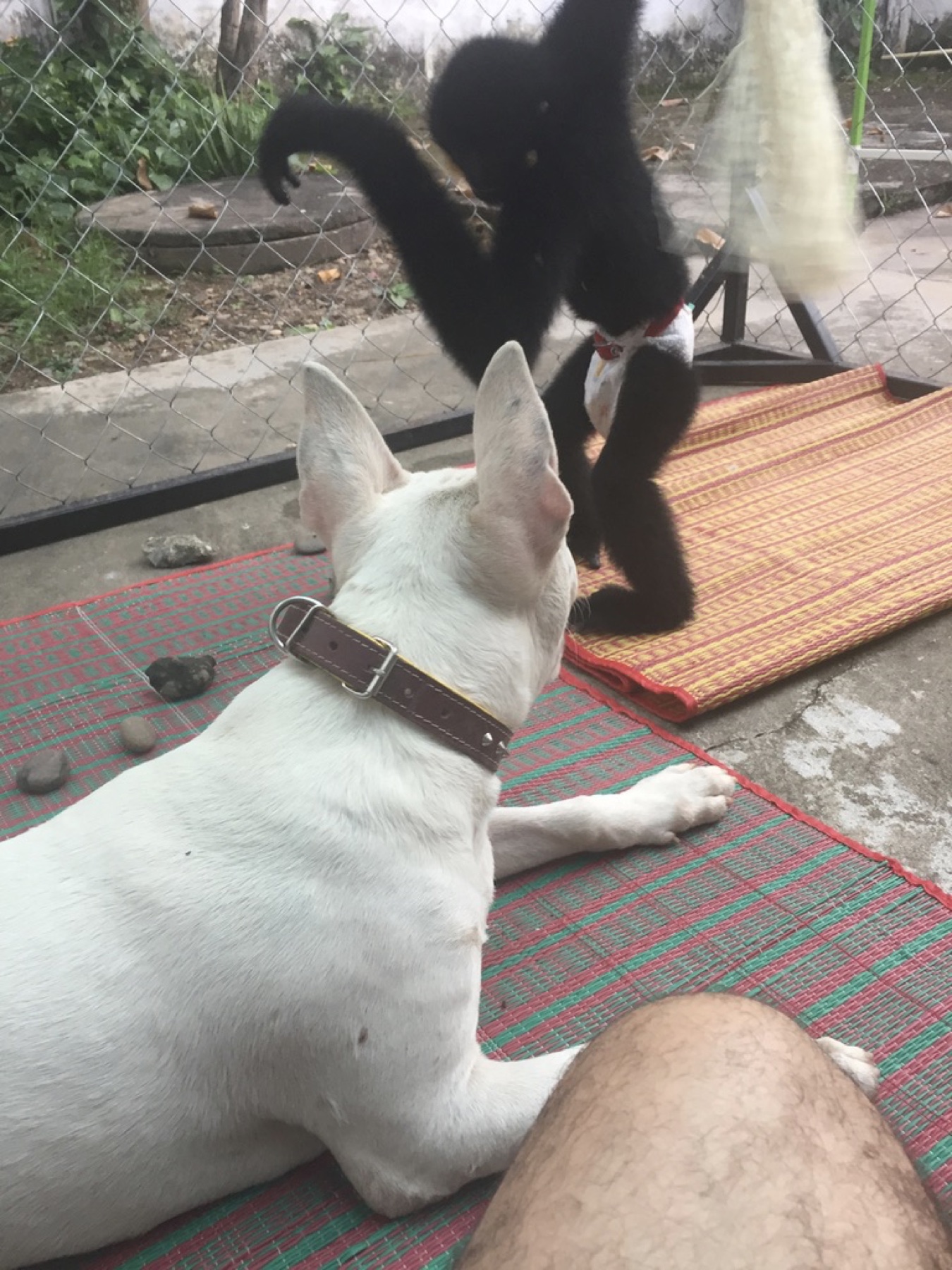
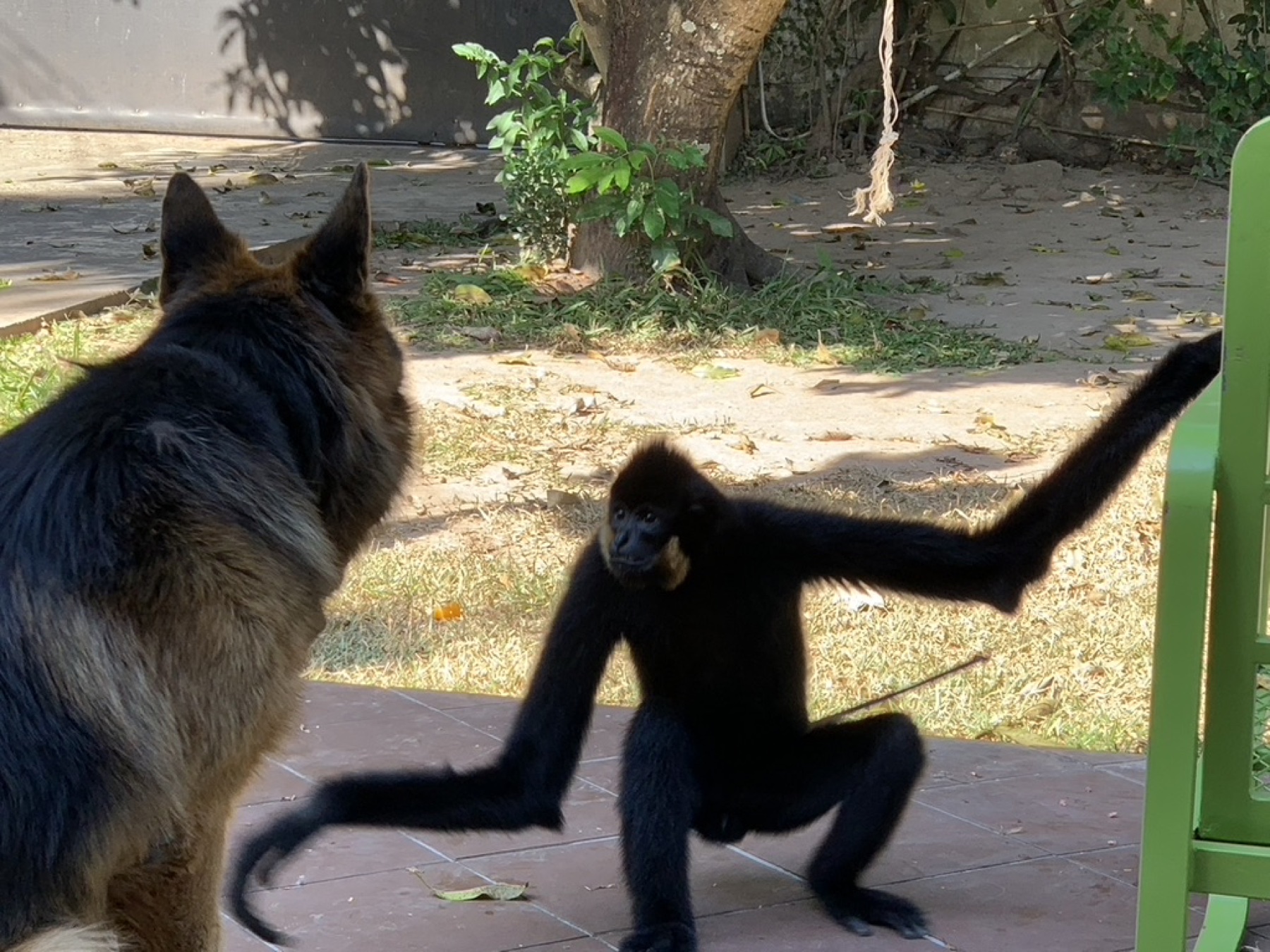
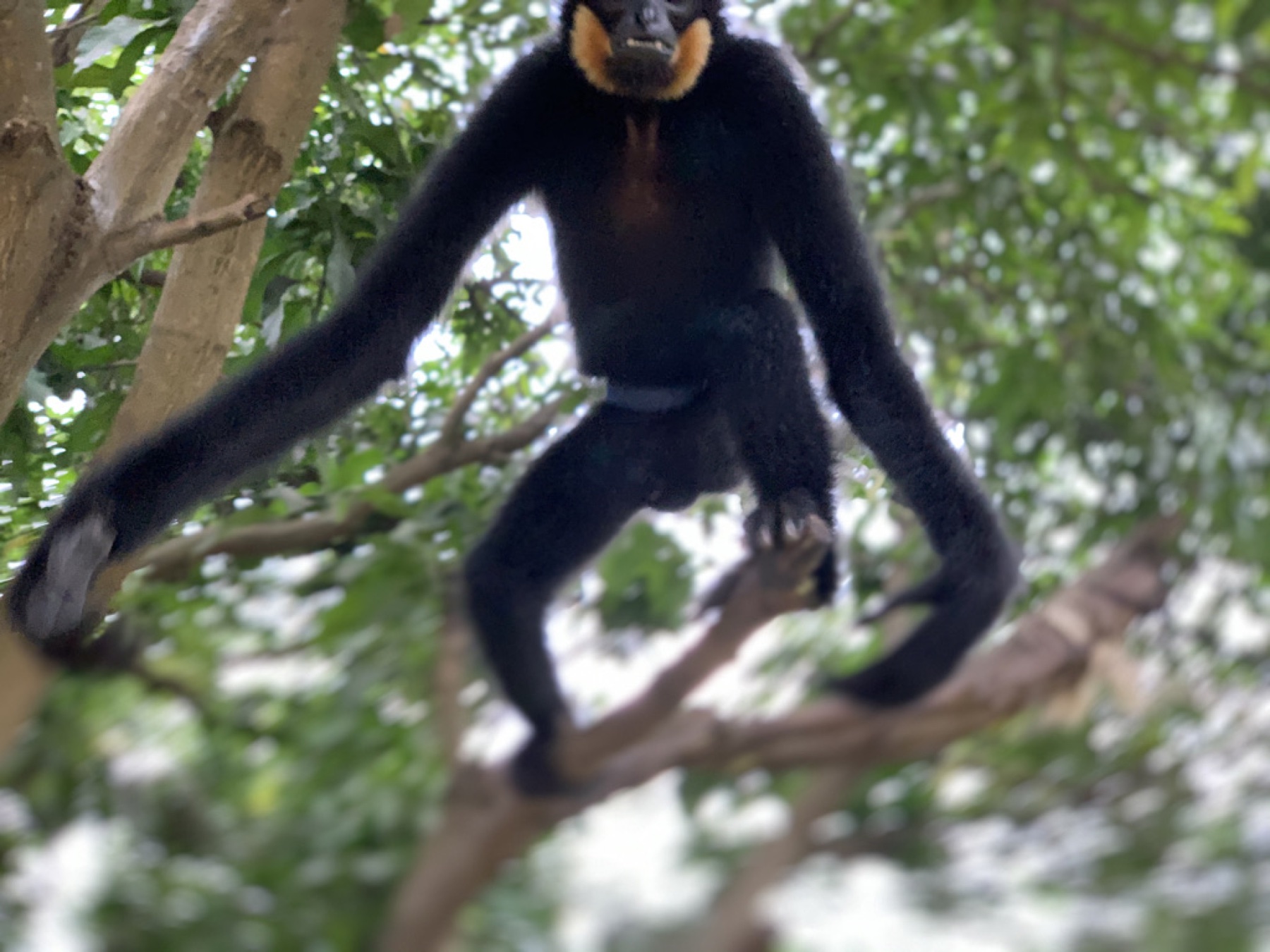
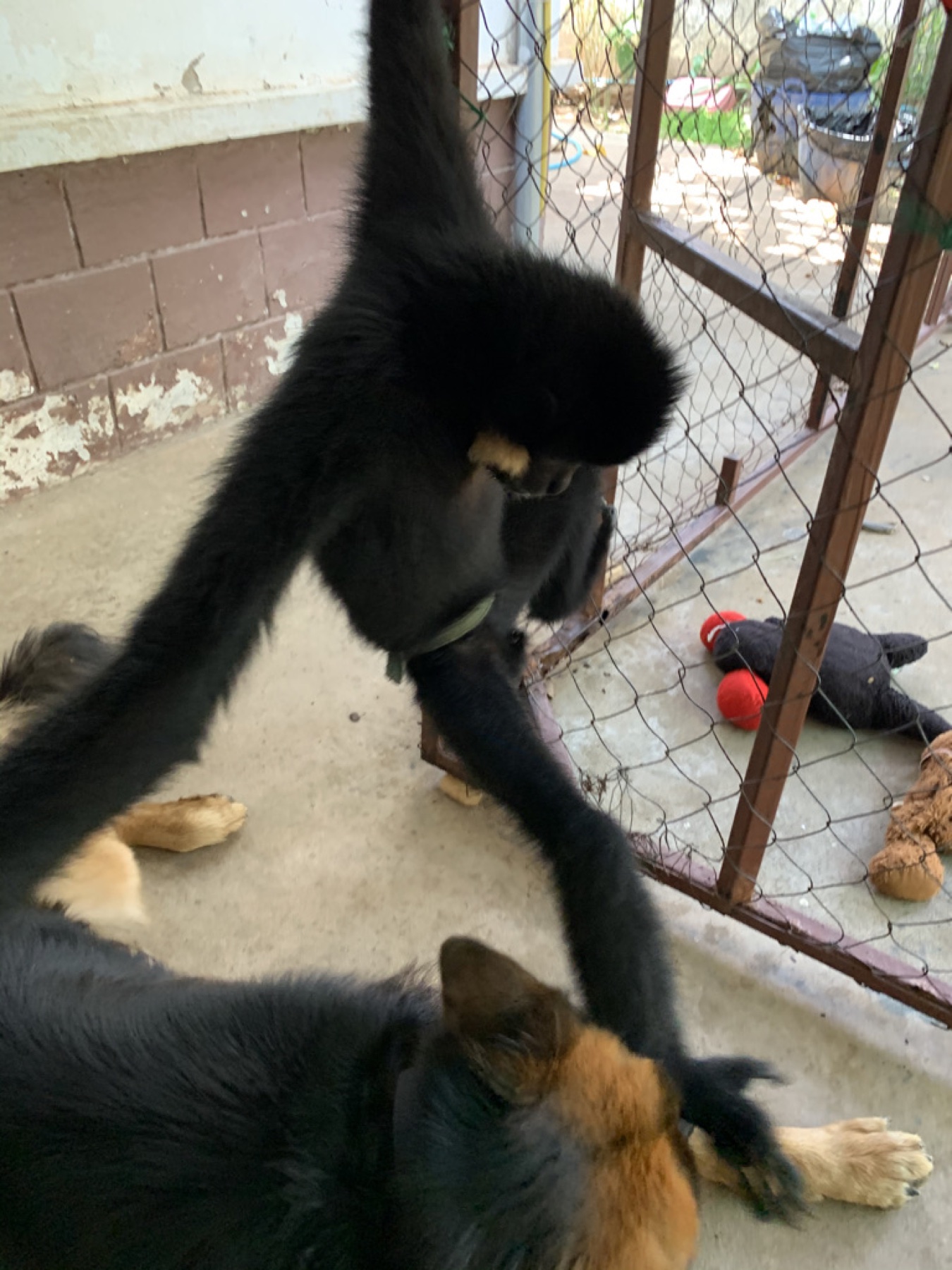
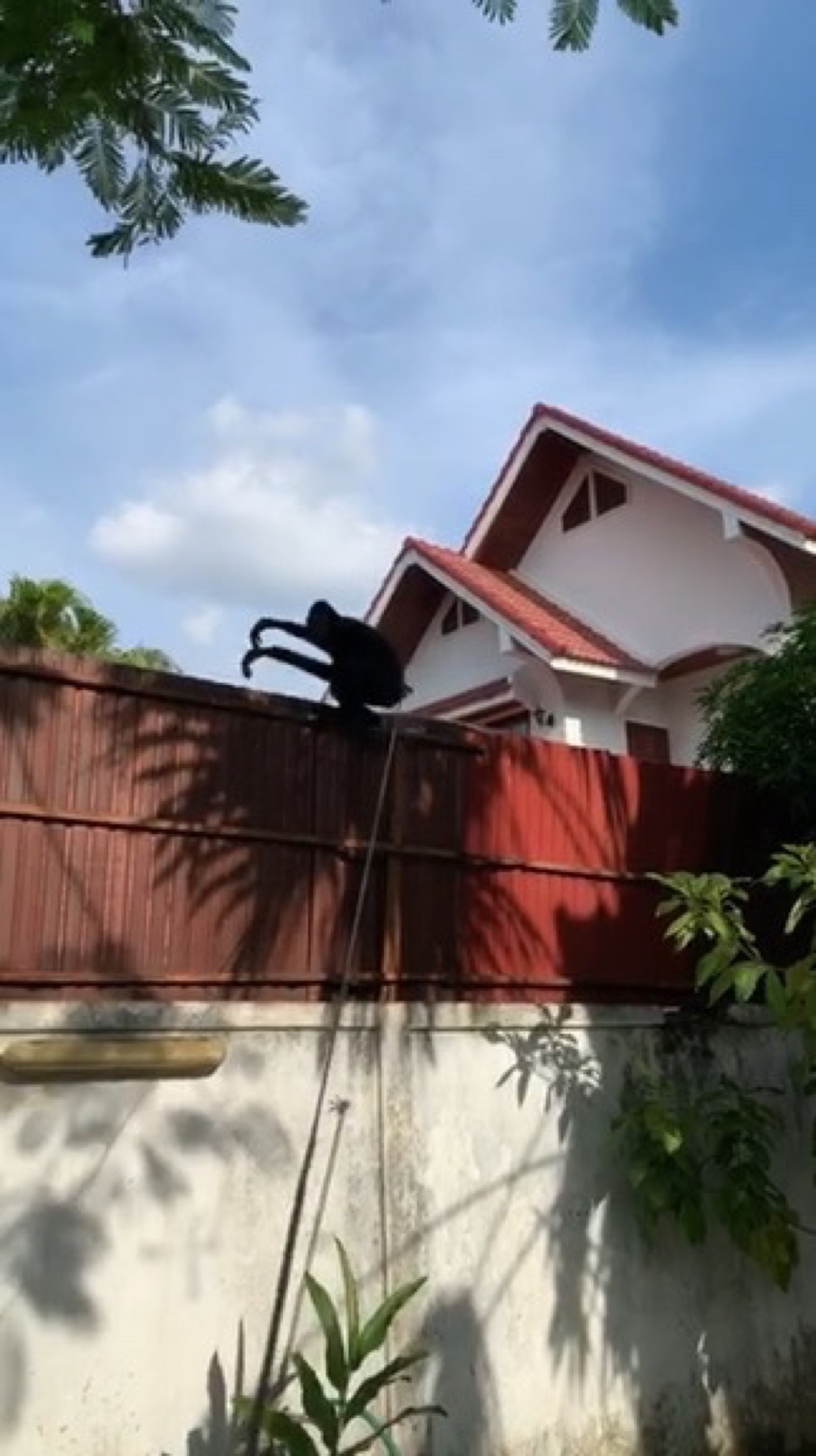
Boy the gibbon swinging from the roofline, June 28 2020, Vientiane
June 28, 2020  ·  Chapter IV

Arms wide open,
the whole sky
suddenly plausible.

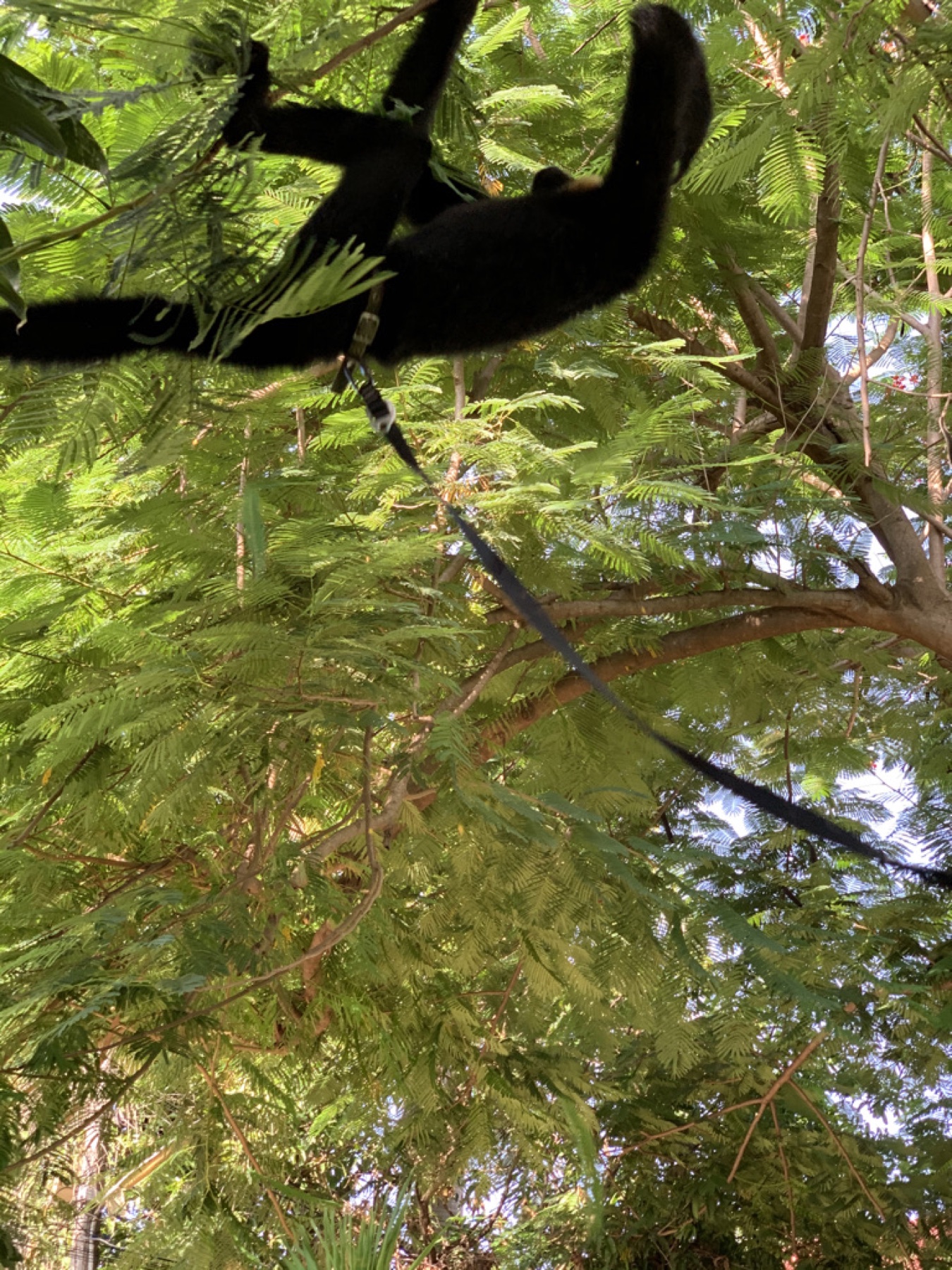
Watch him swing from the roofline — arms fully extended, all liquid motion, no hesitation, no calculation. He does not think about falling because falling has never been part of his vocabulary.

This is what a body looks like when it is doing exactly what it was built to do. There is a specific kind of joy in that — in watching something be, completely and without apology, what it is.

The world had locked itself down that year. Boy had not noticed. He was busy inventing new routes across the garden, faster and more elegant than the ones he'd used the day before.

Domicile, Vientiane

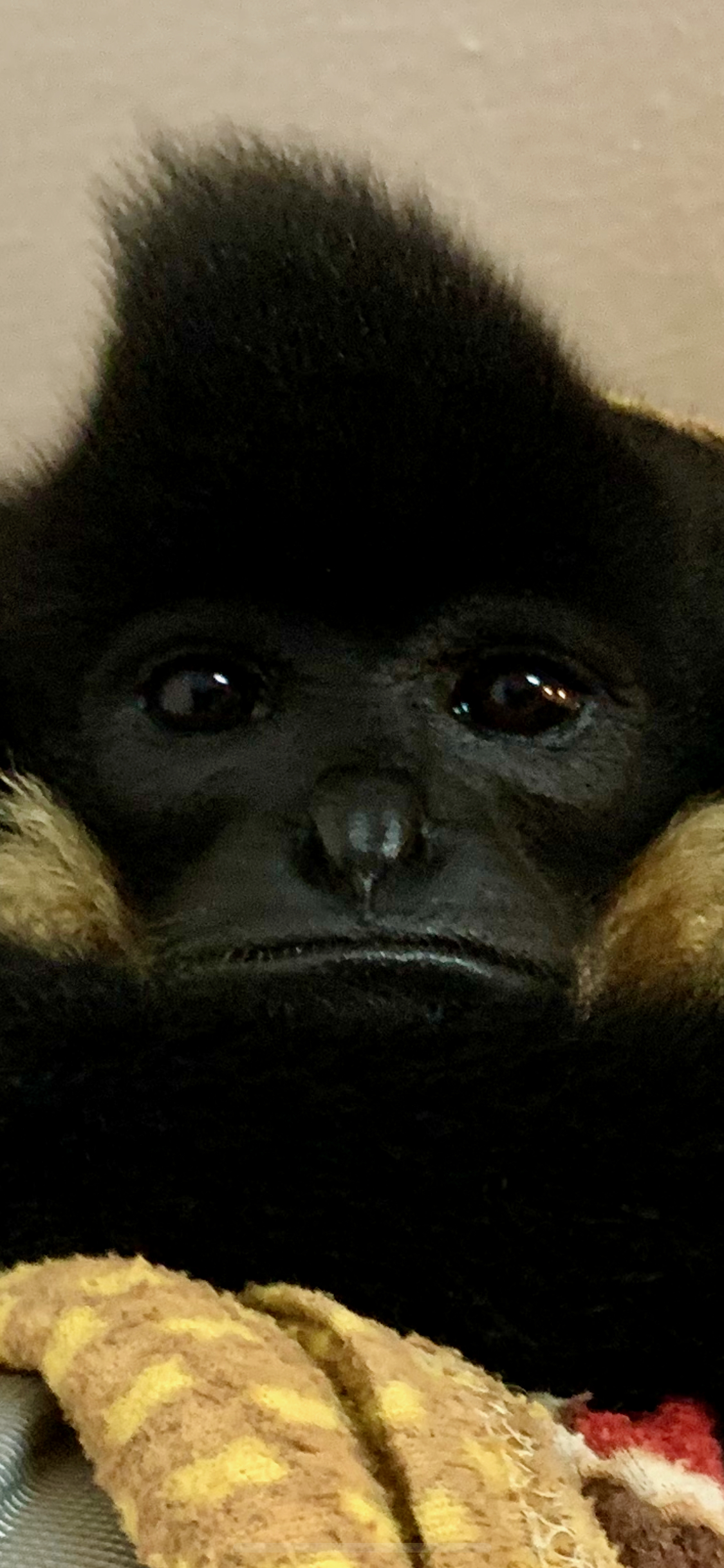
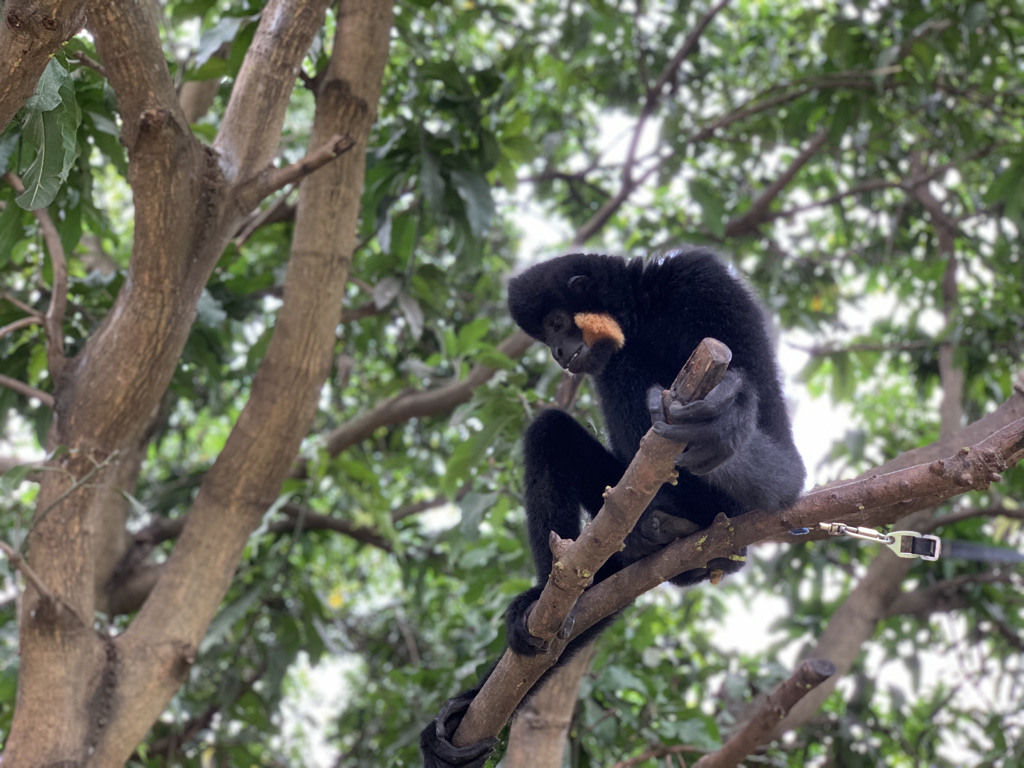
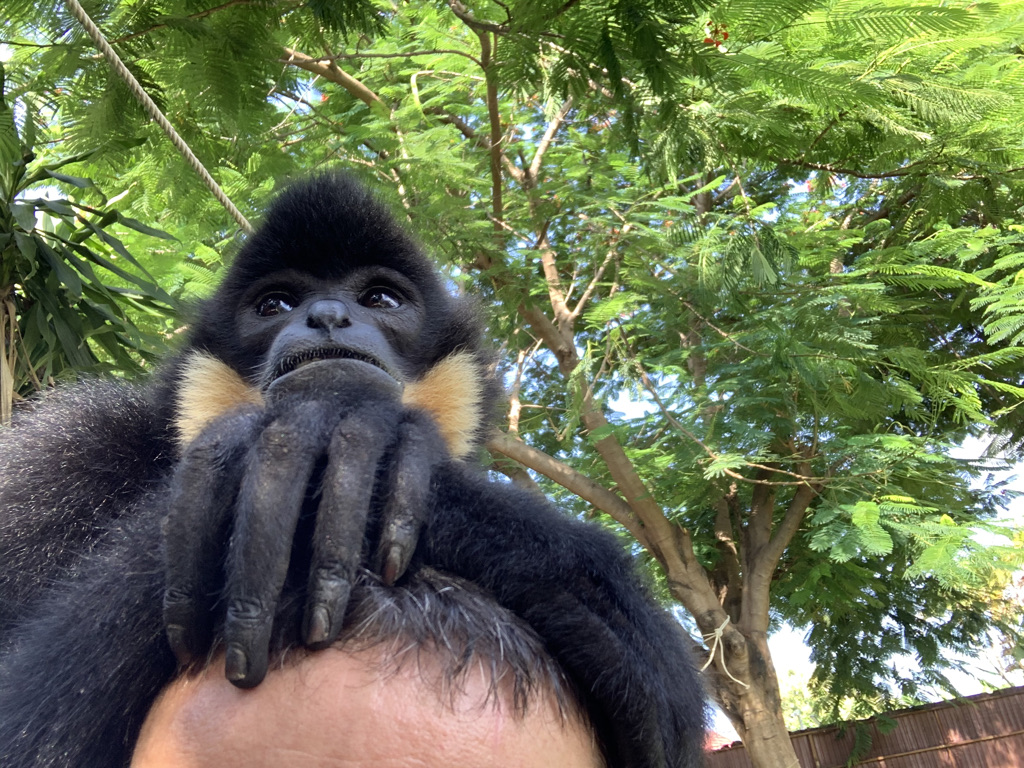
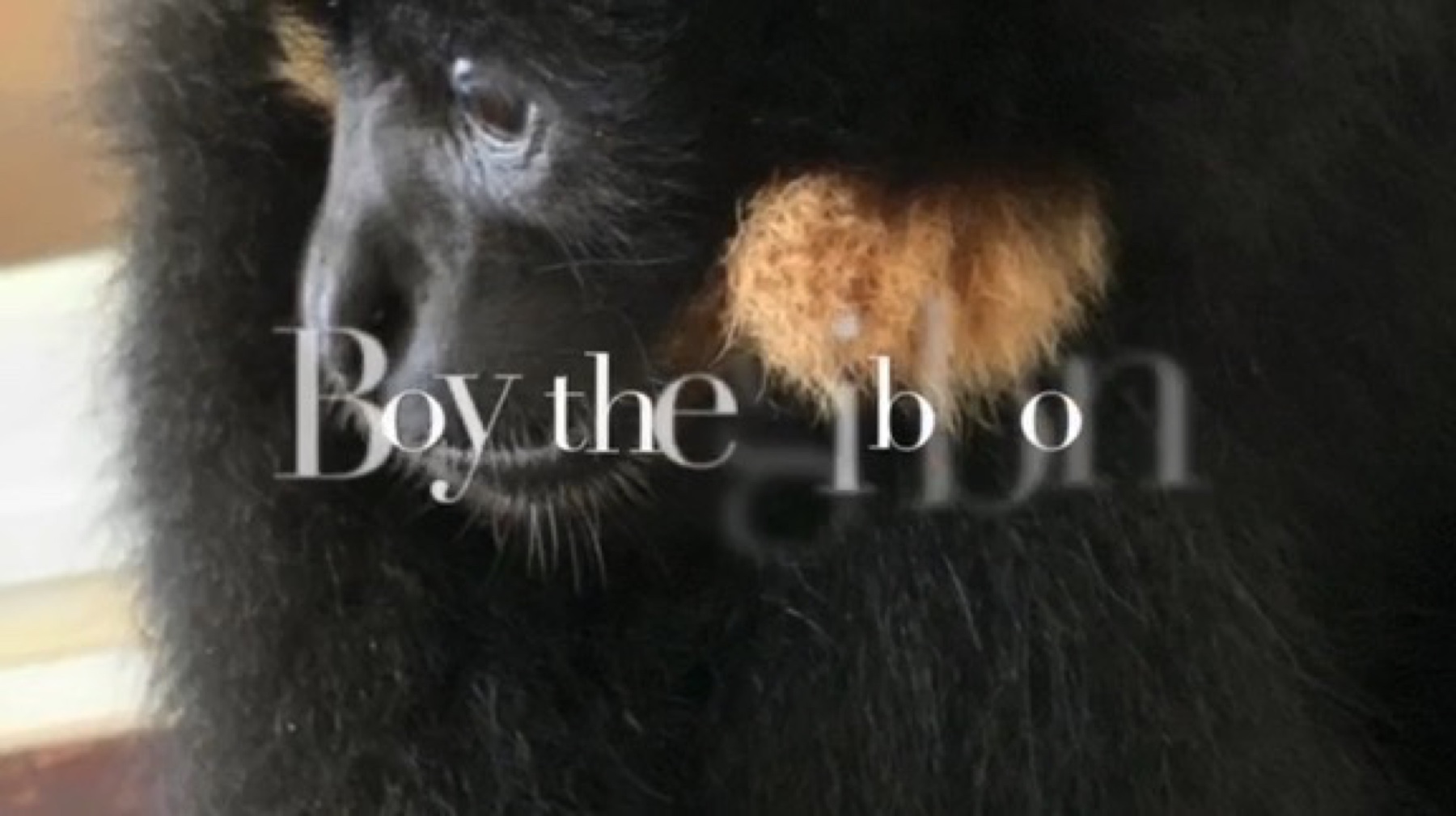
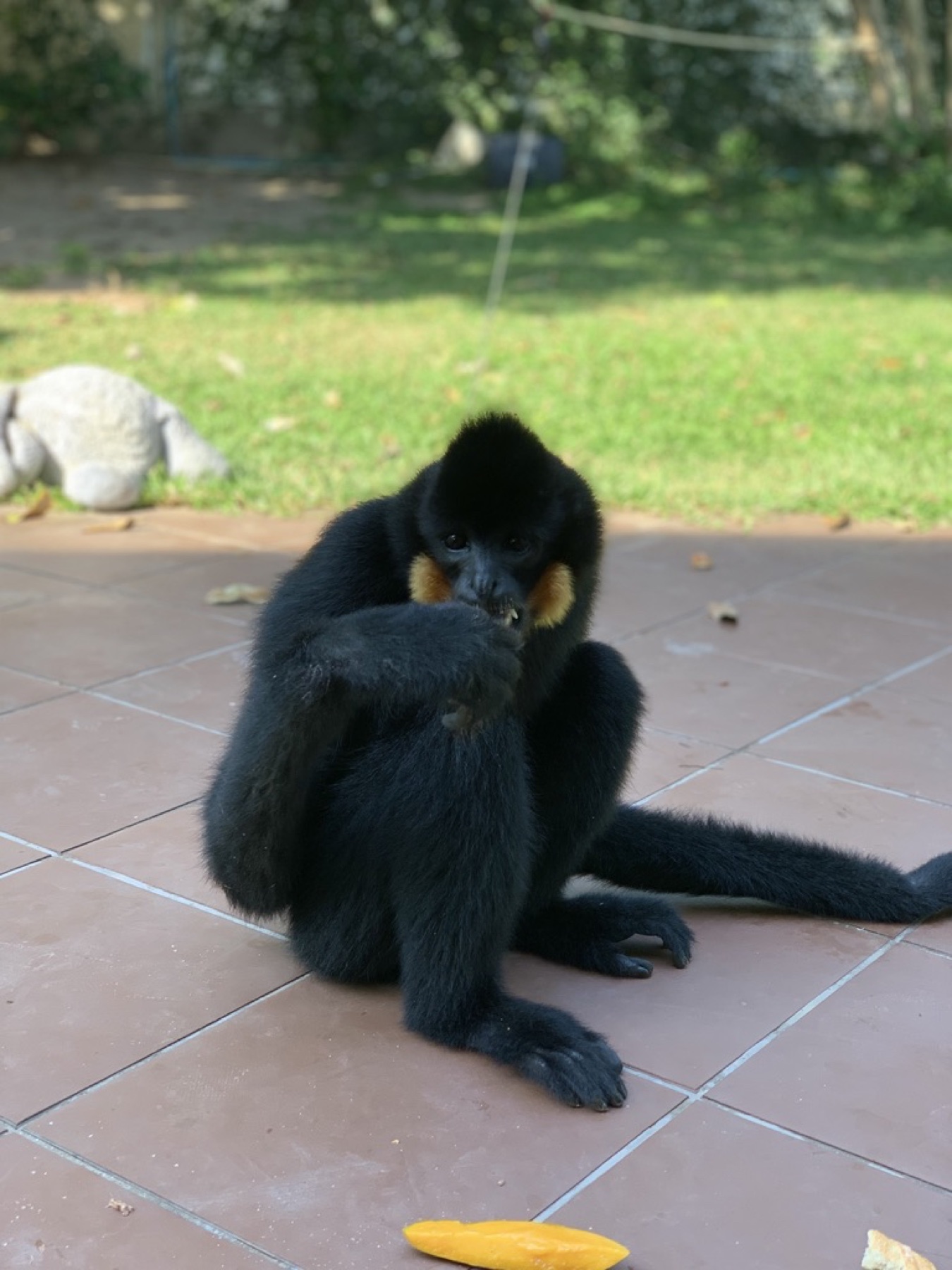
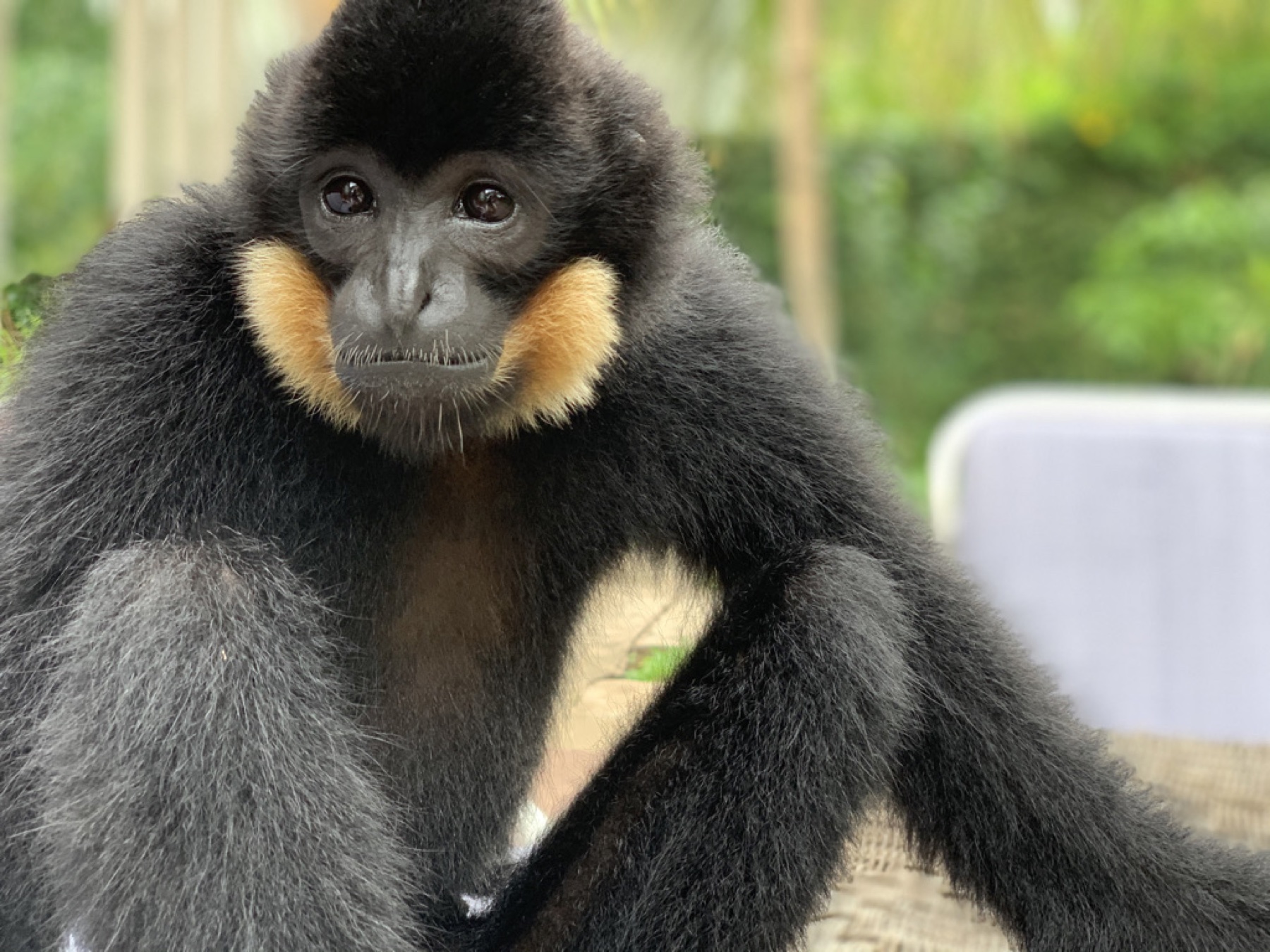
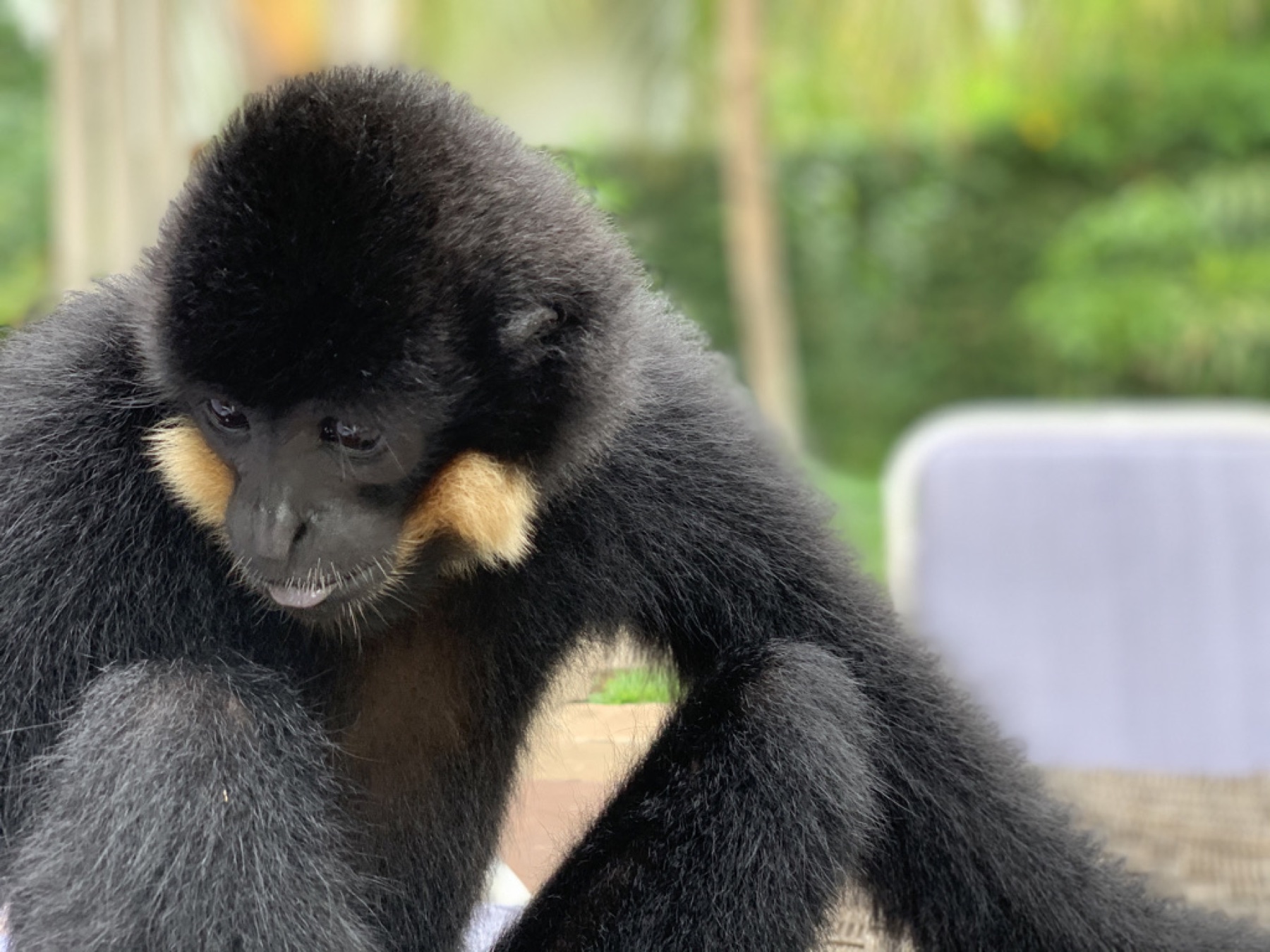
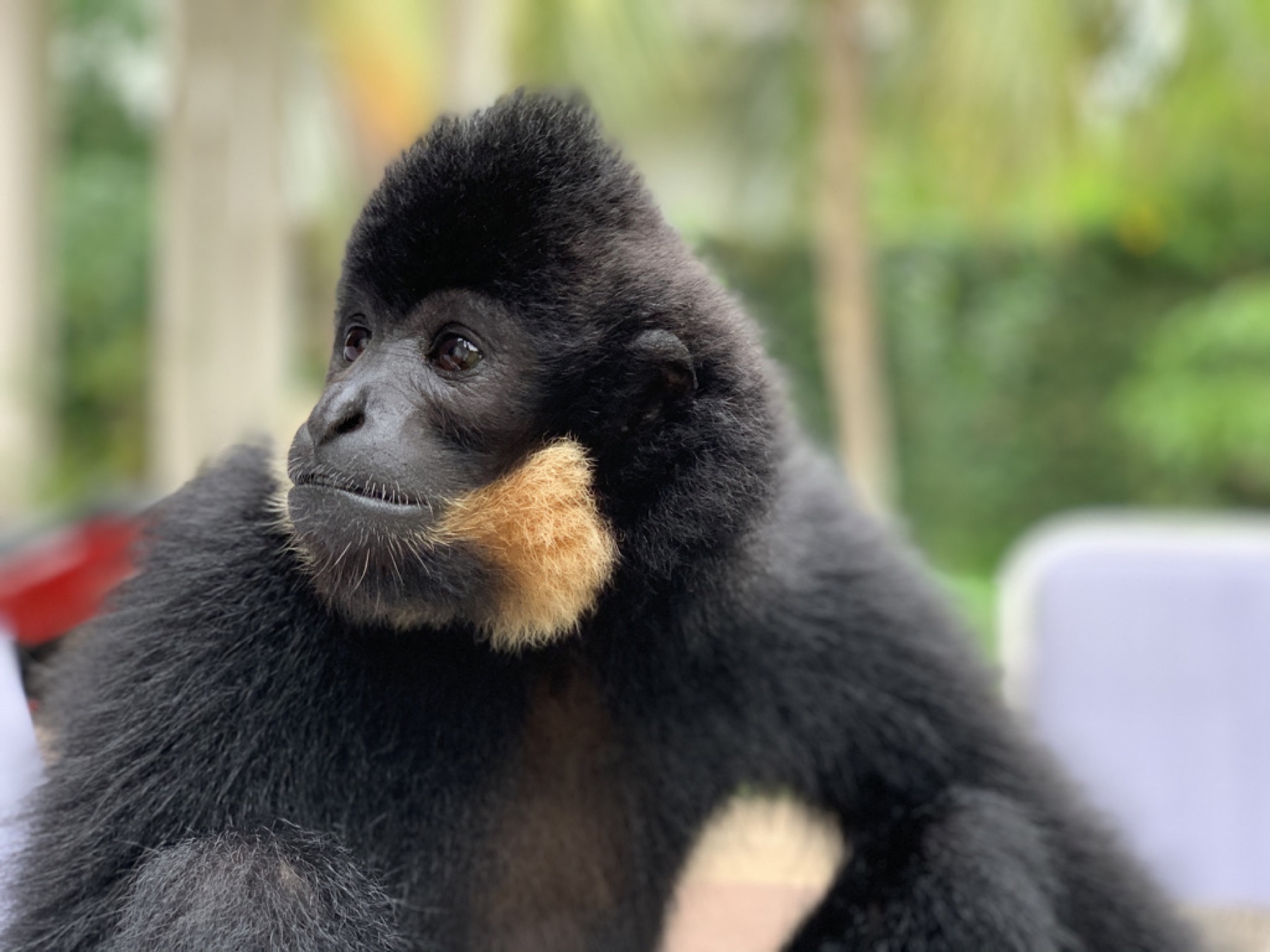
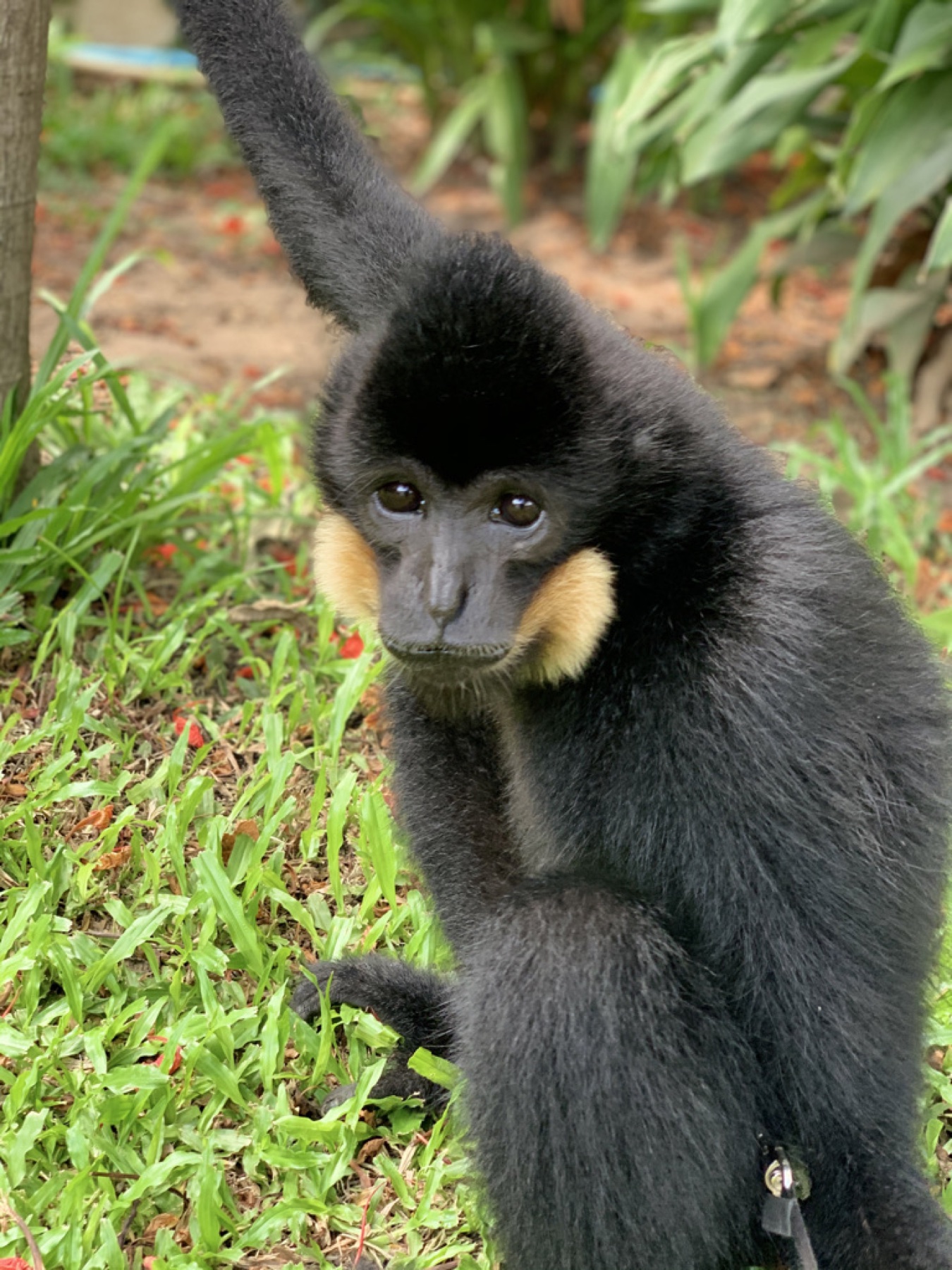
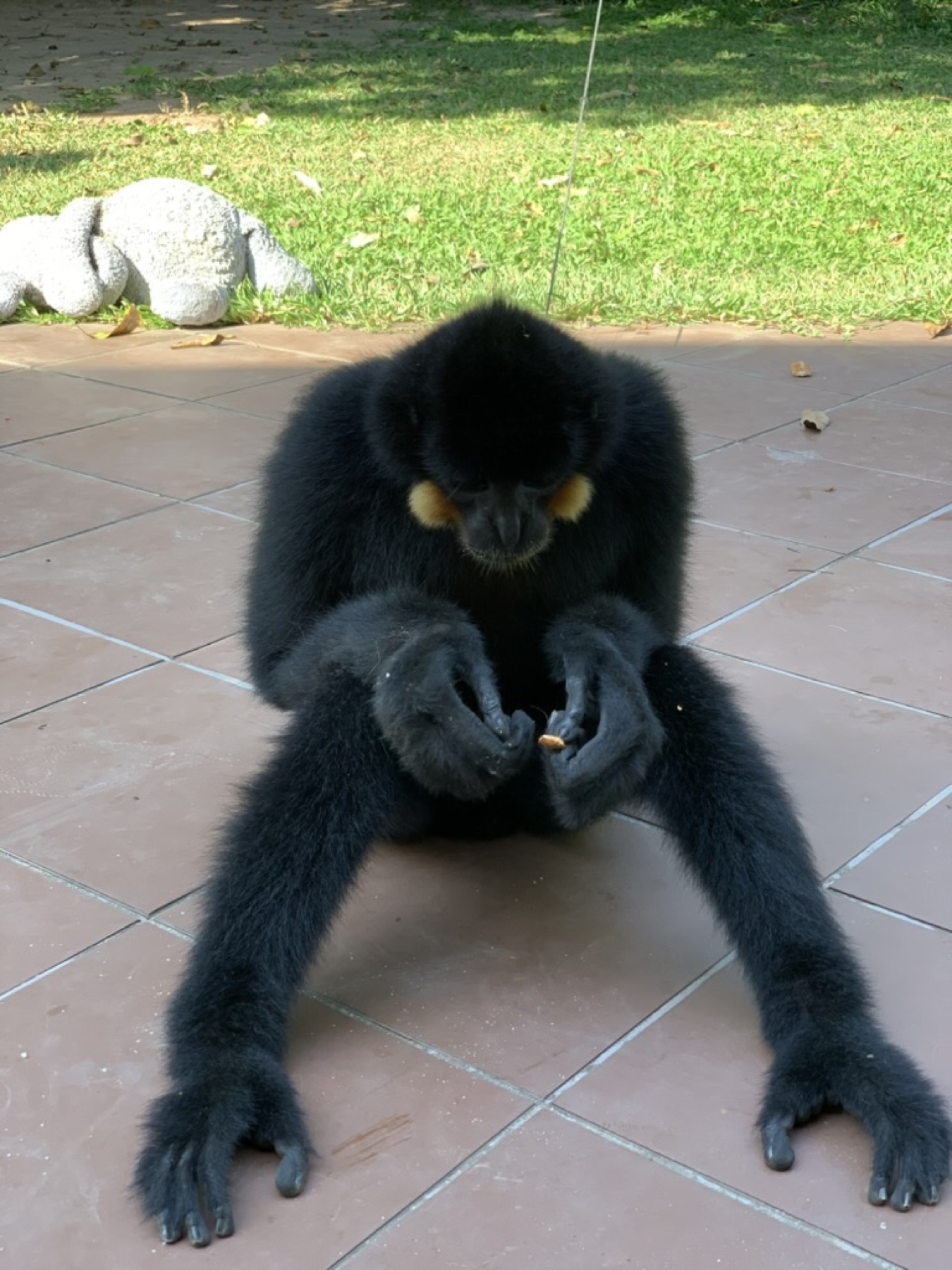
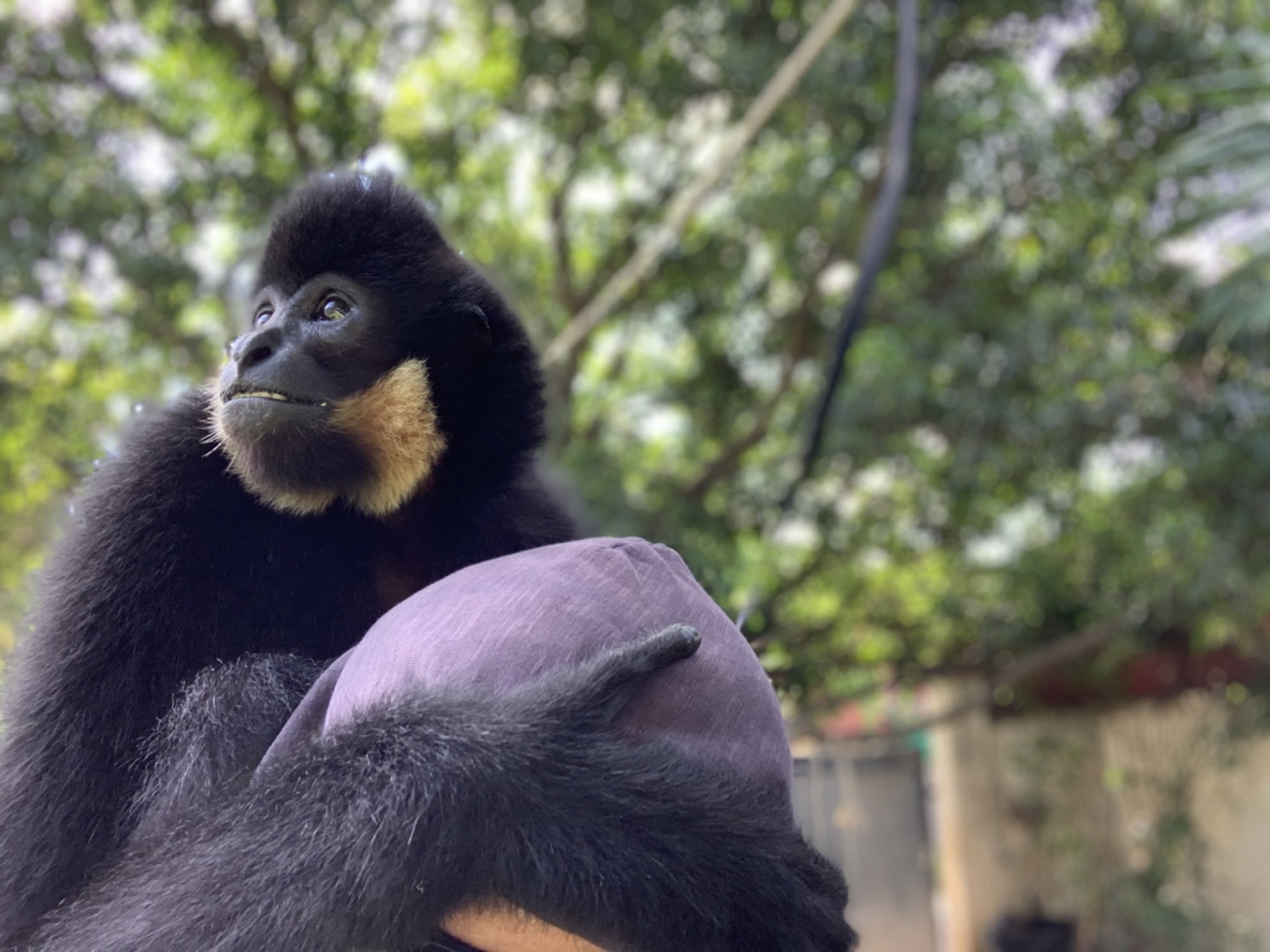
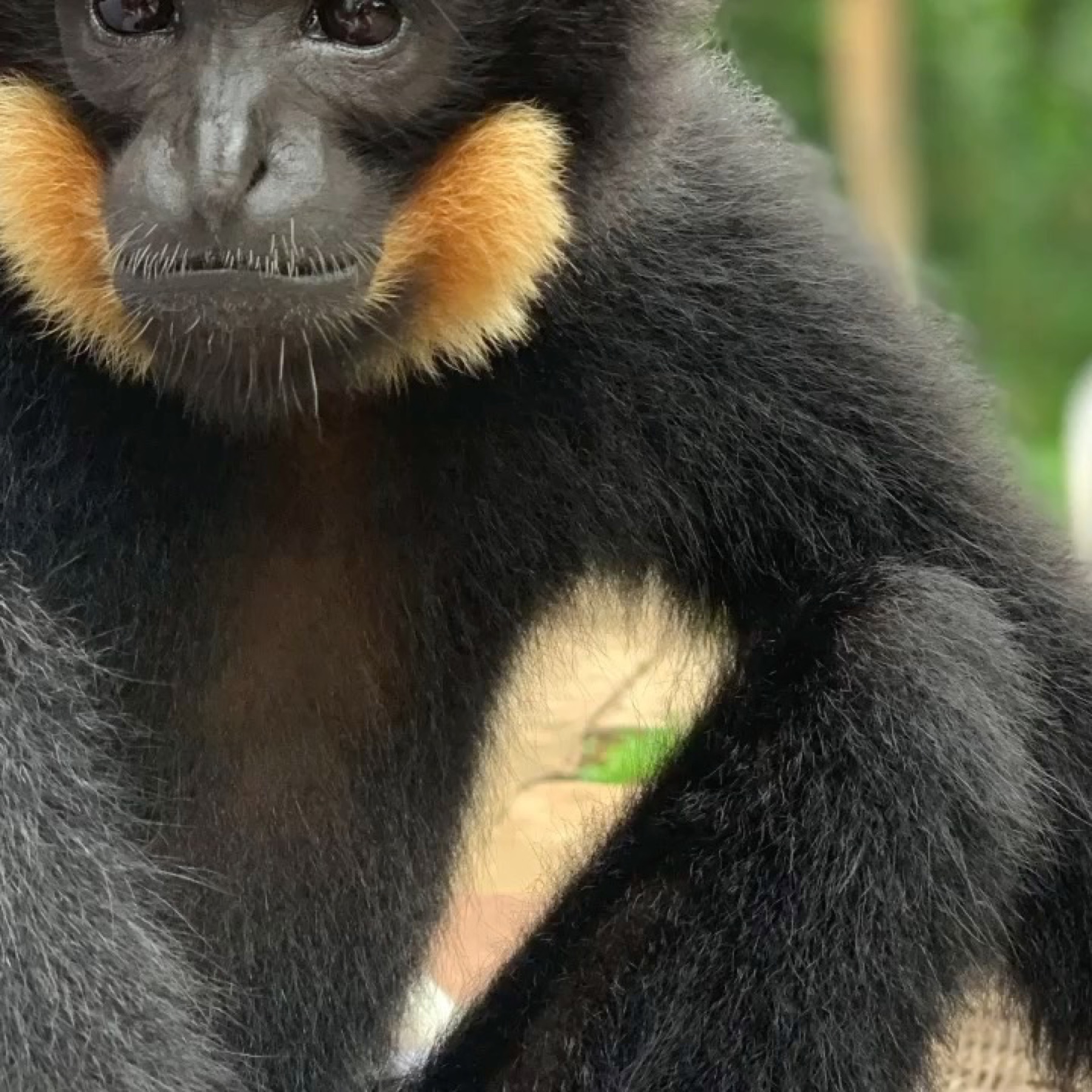
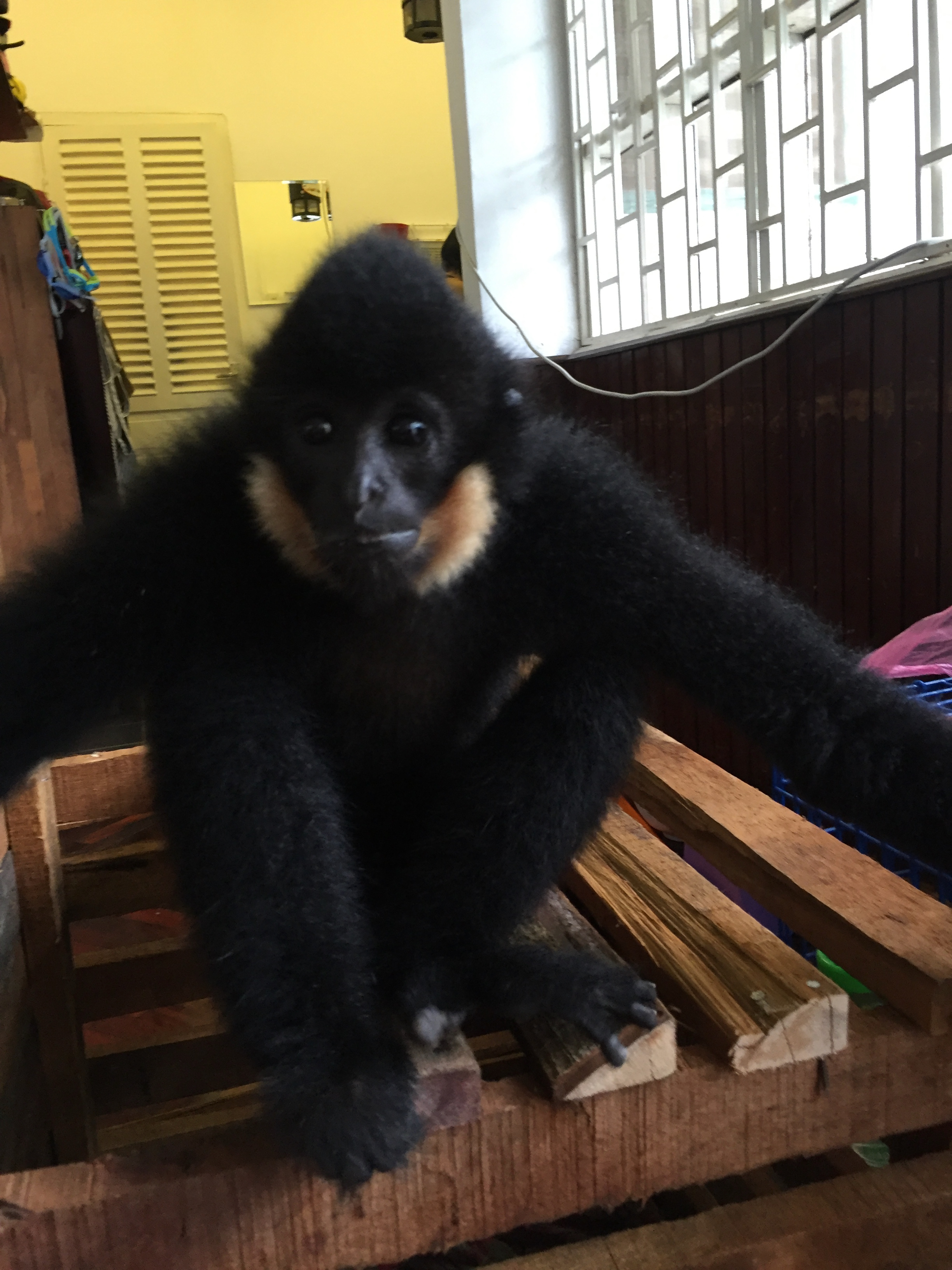
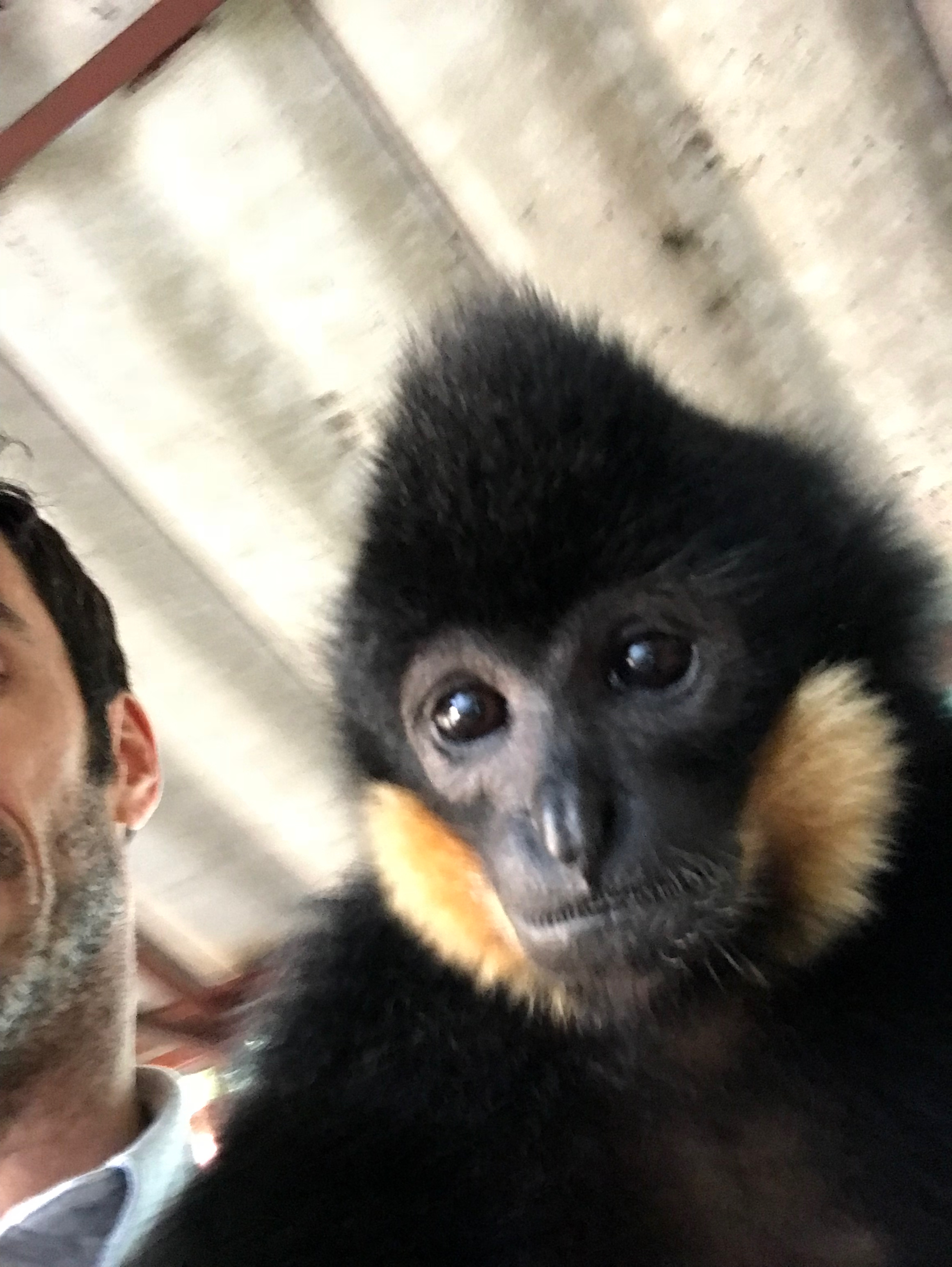
Close-up portrait of Boy the yellow-cheeked gibbon, November 2021
November 27, 2021  ·  Chapter V

Look at him.
Really look.

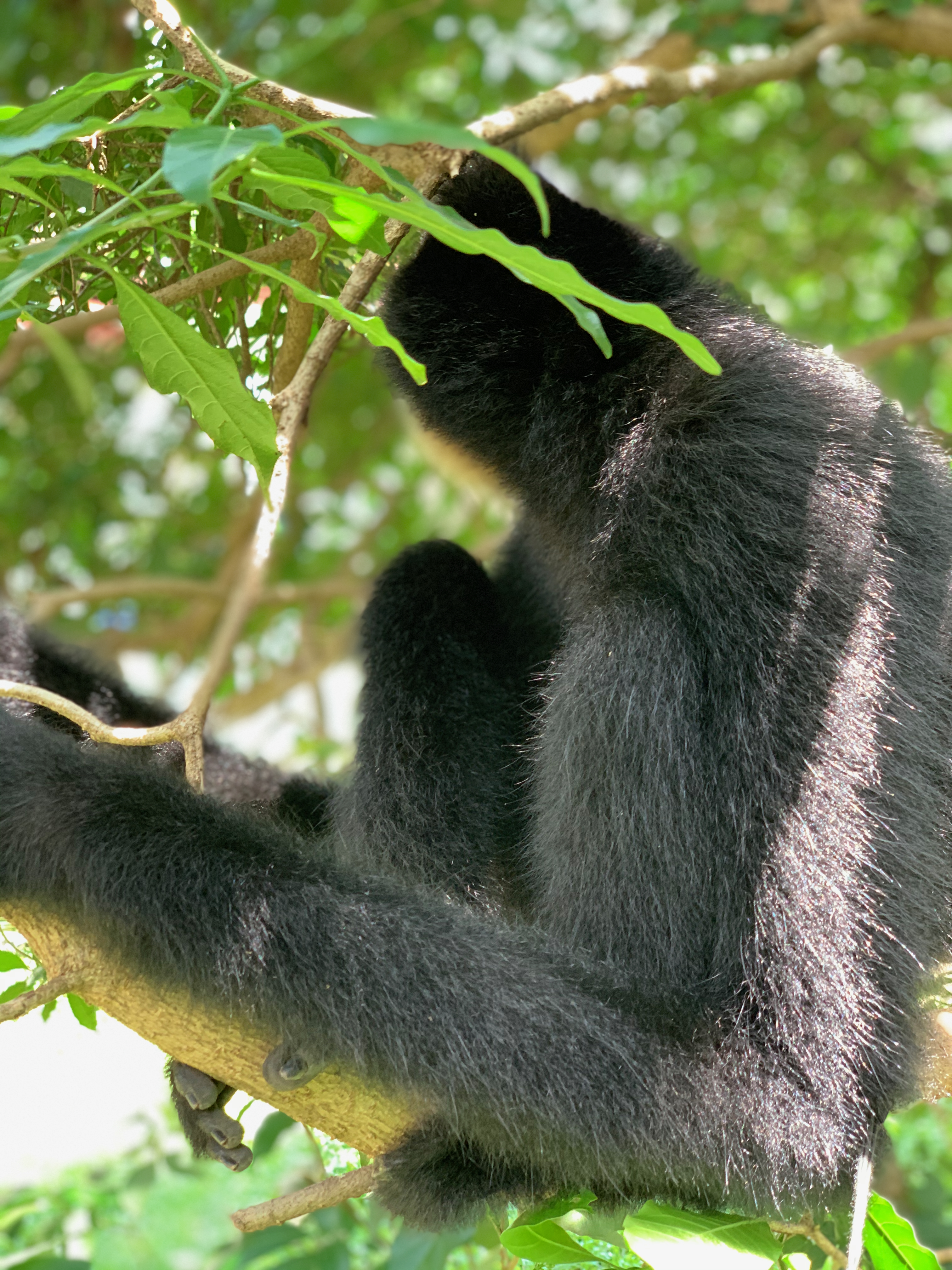
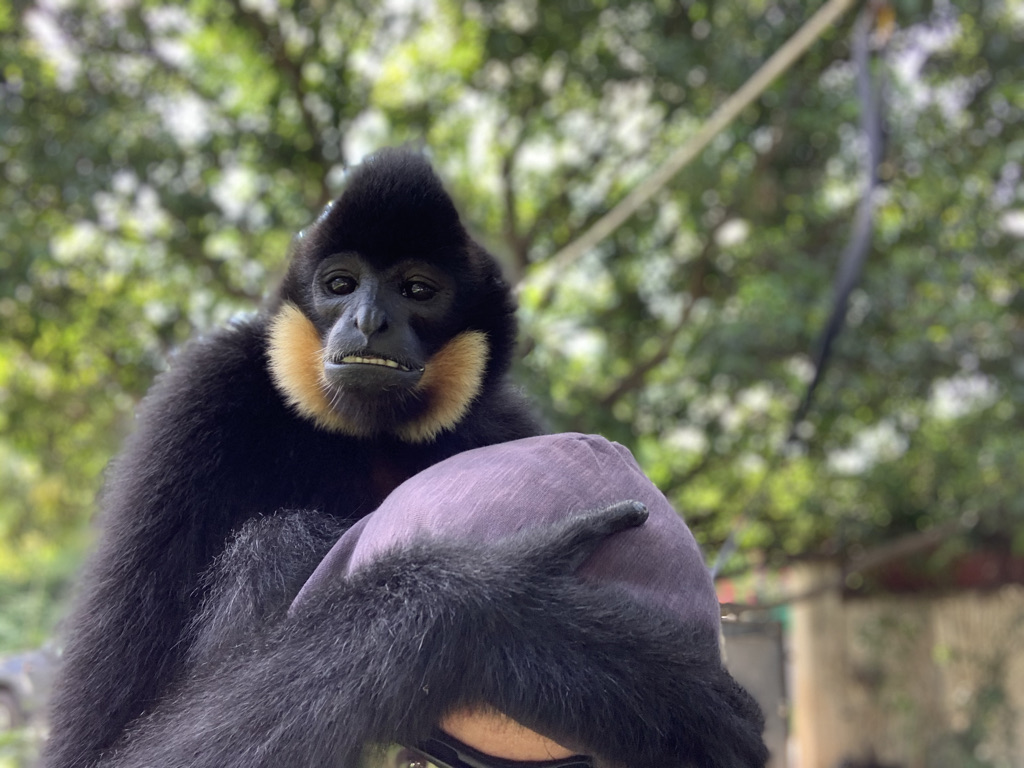
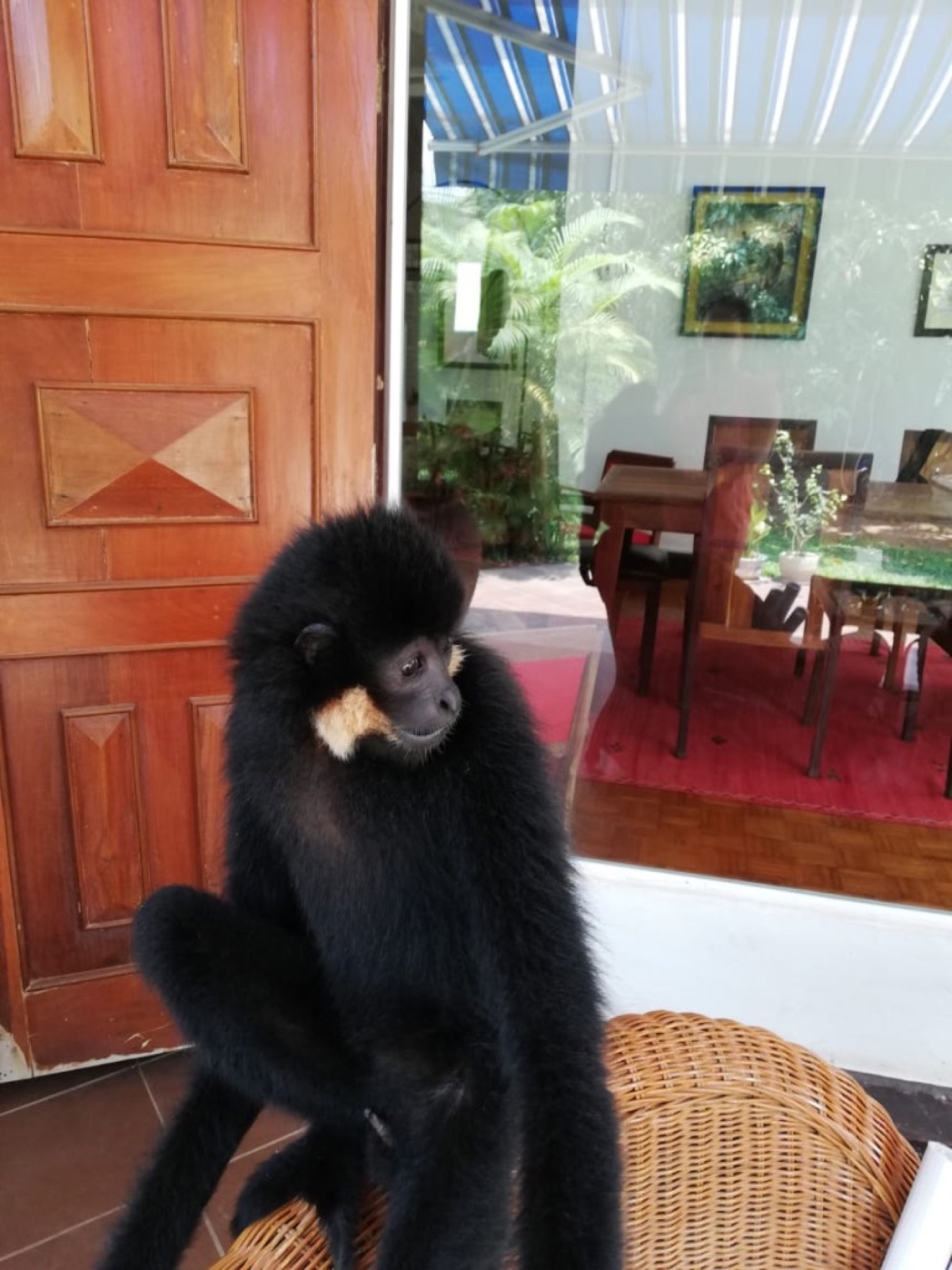
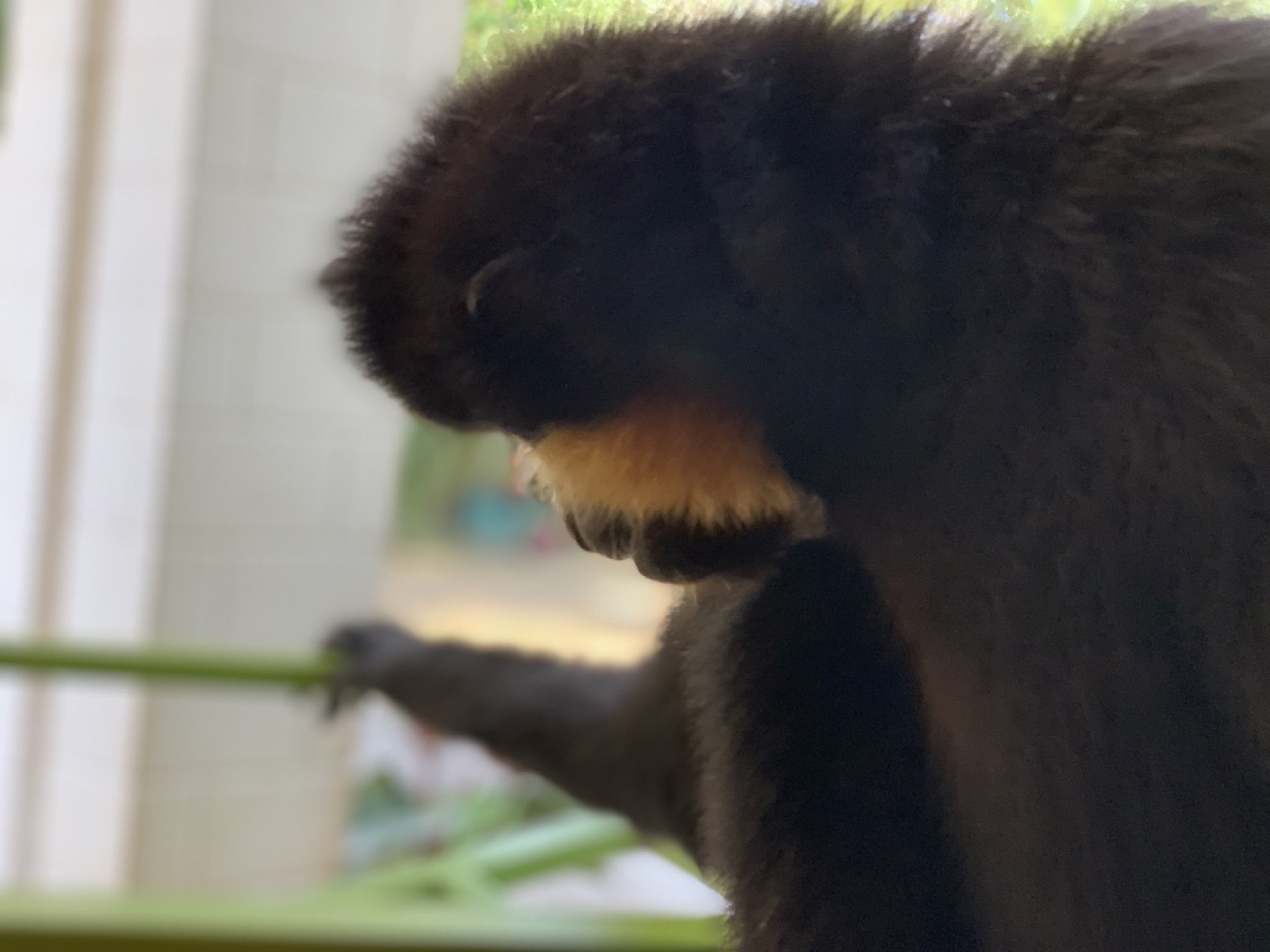
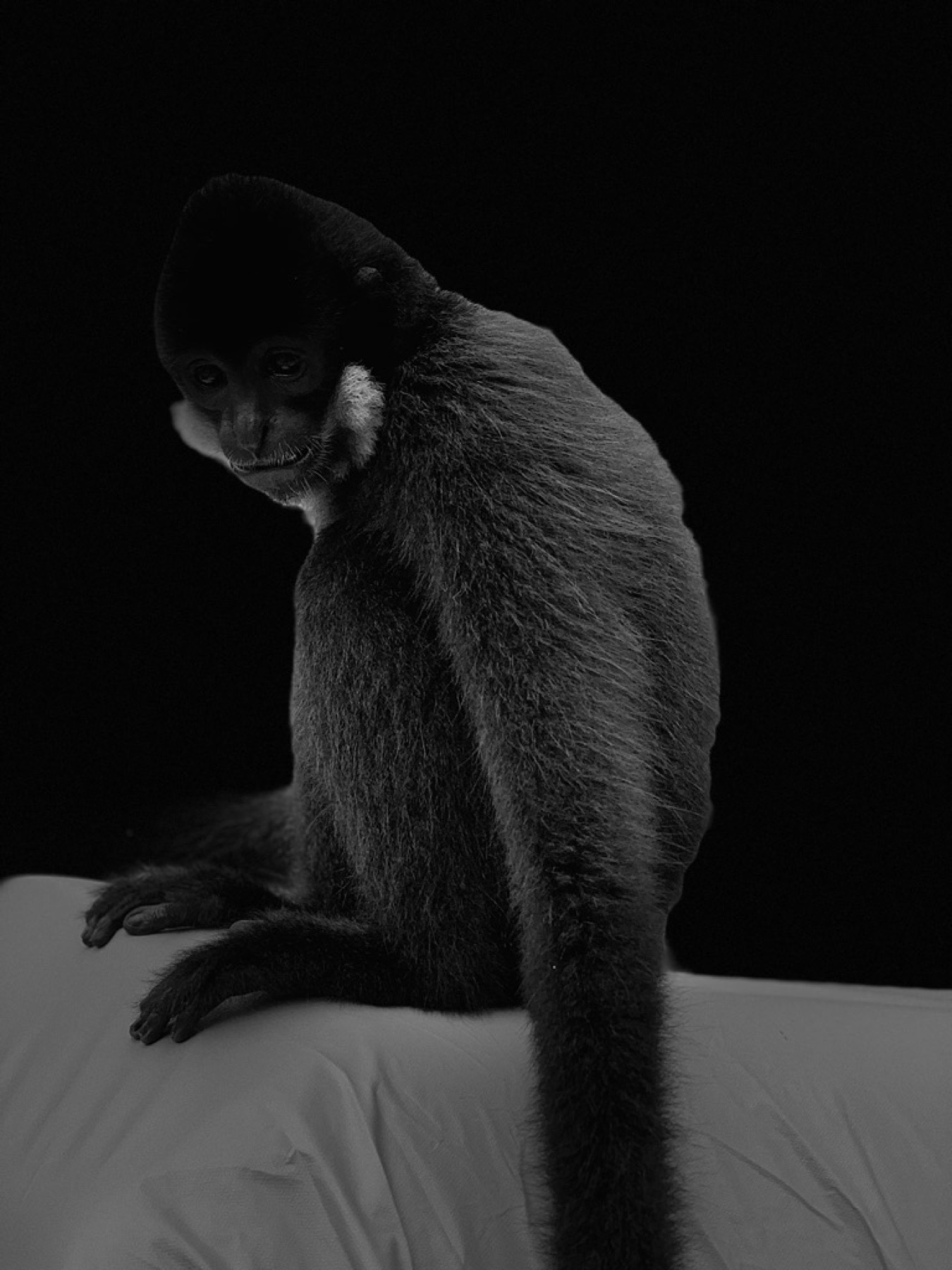
Five years have passed since that first bewildered morning on the wooden floor. His eyes hold something now — not wildness exactly, not quite domesticity either. Something that lives in the space between.

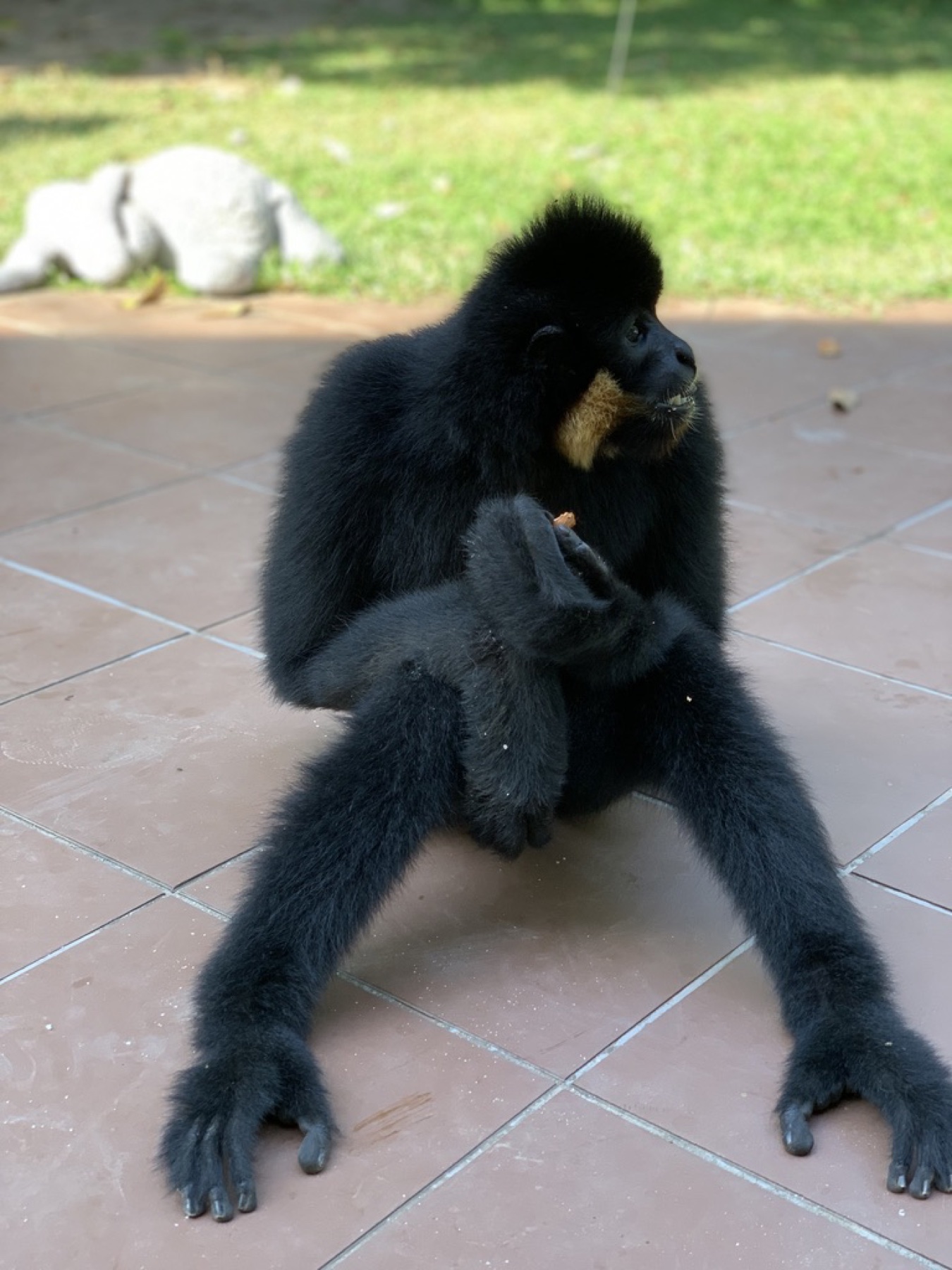
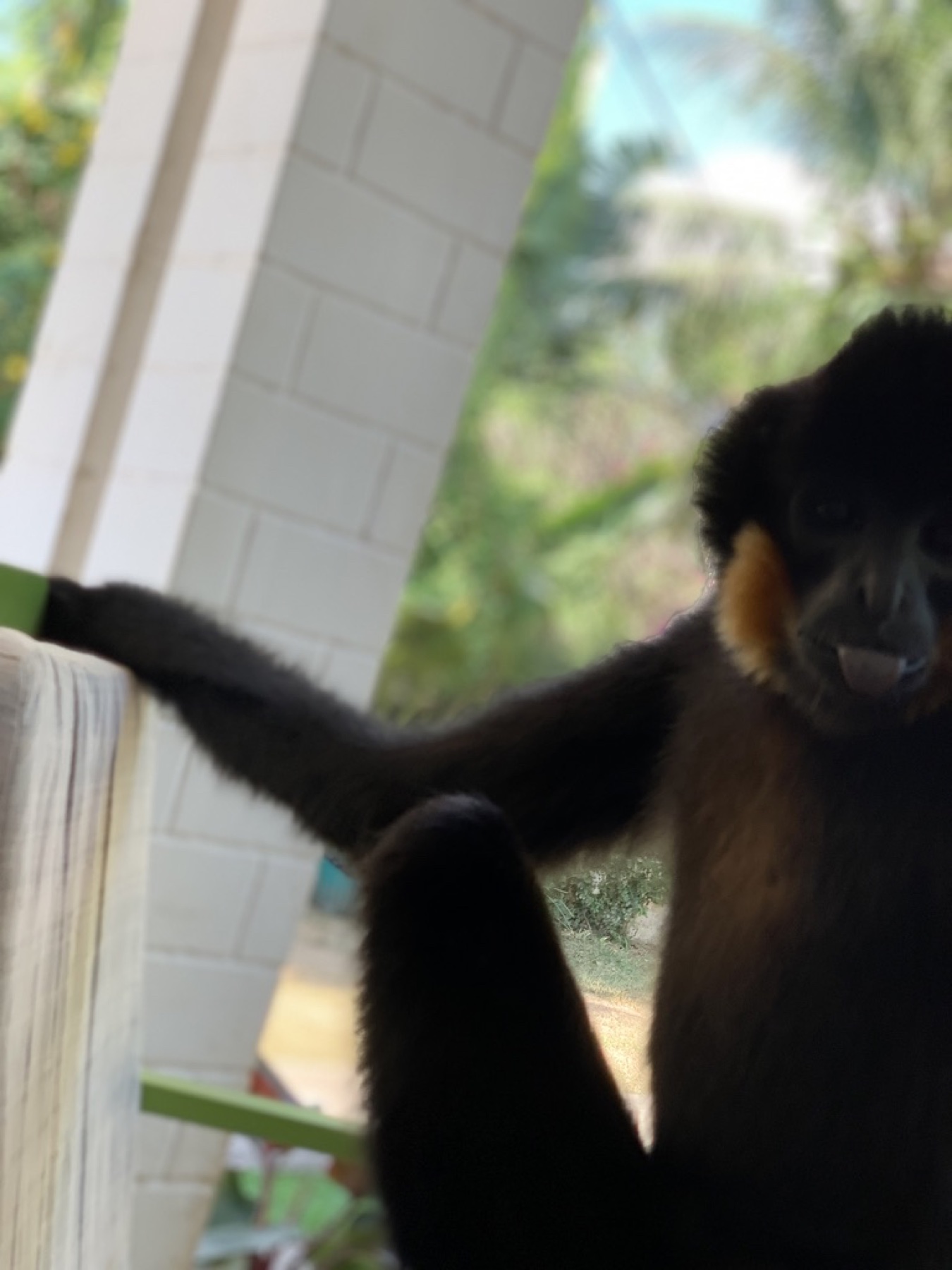
Those golden-yellow cheeks. The dark, steady gaze. The unhurried weight of an animal for whom time has always been something that happens around him rather than to him.

He is a yellow-cheeked gibbon — one of the most endangered primates on earth. He is also, unmistakably, Boy. An irreplaceable individual who has learned, over five monsoons, that this house is his and these people are his, and that is enough.

Vientiane, Laos

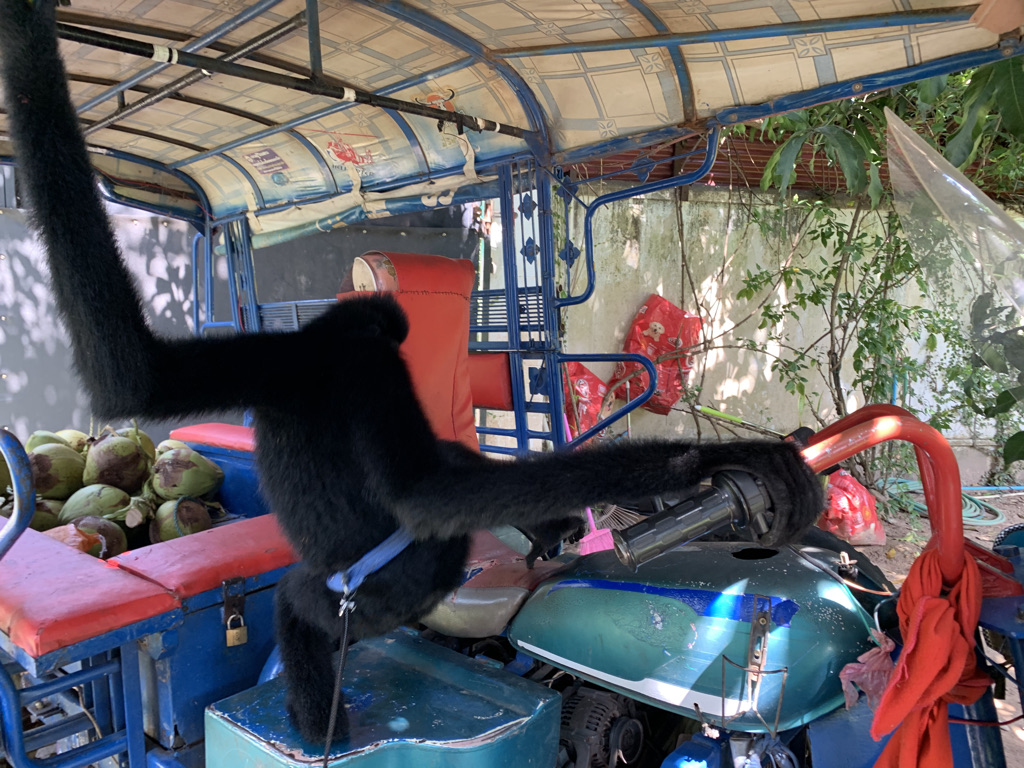
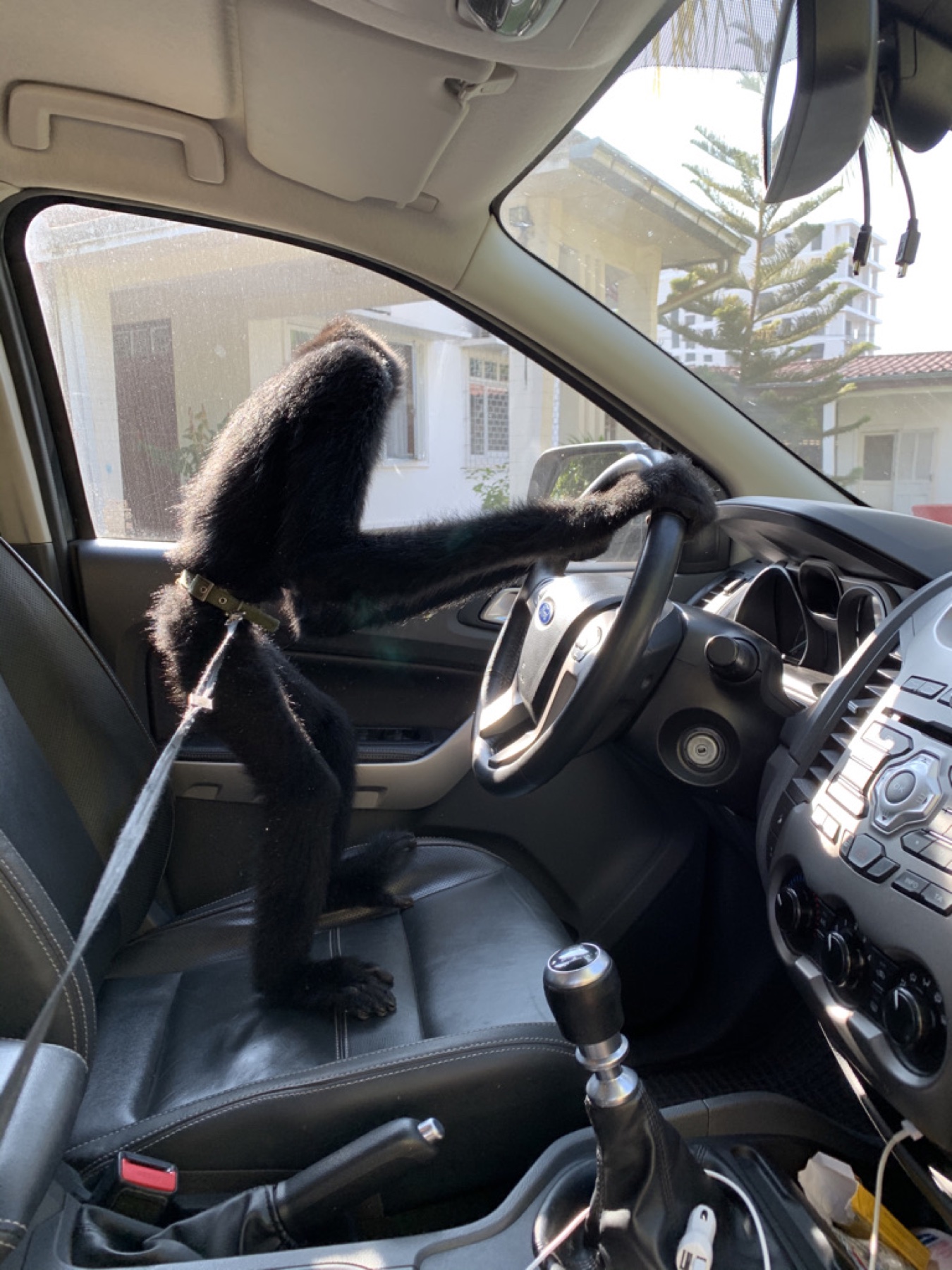
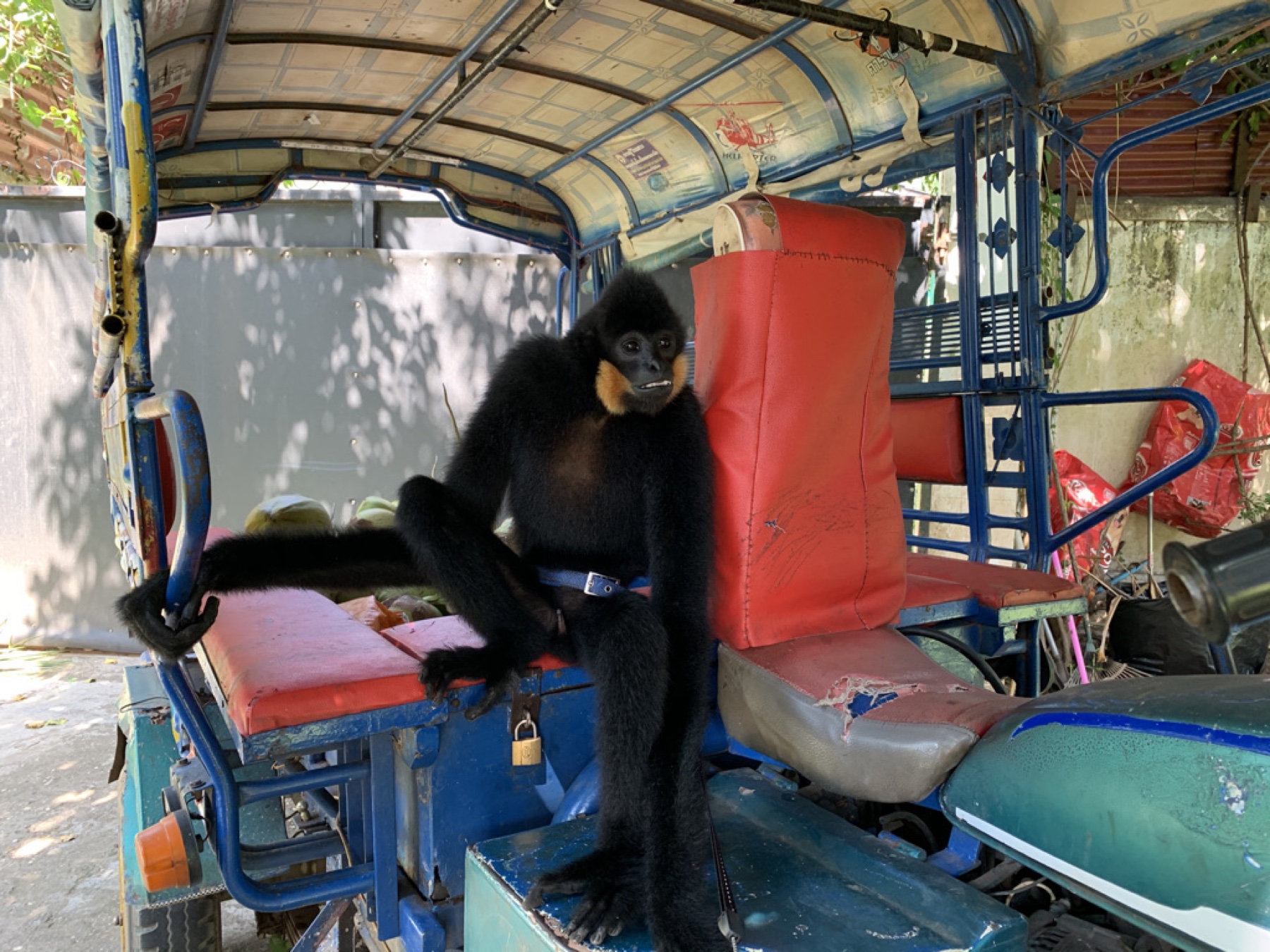
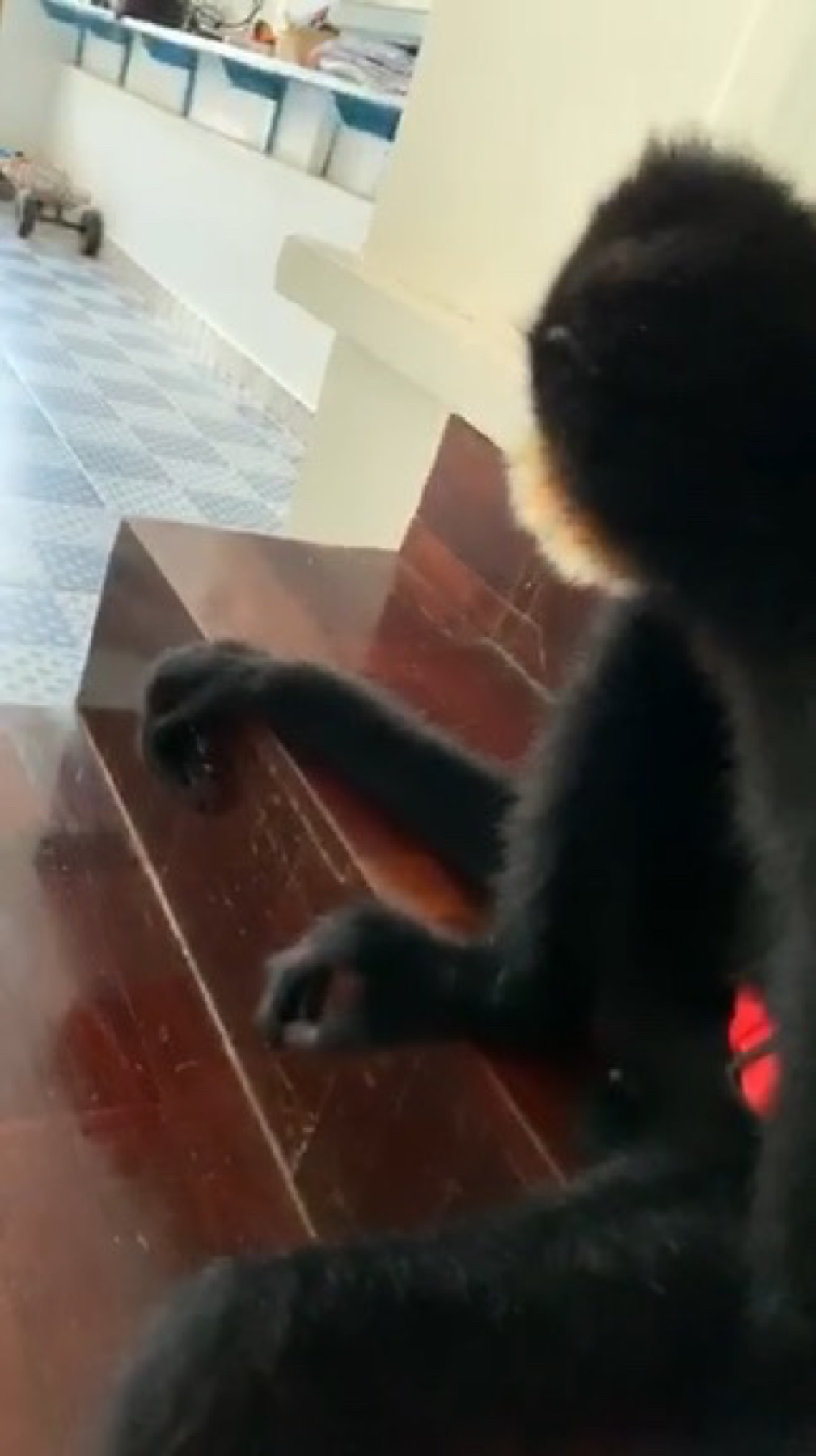
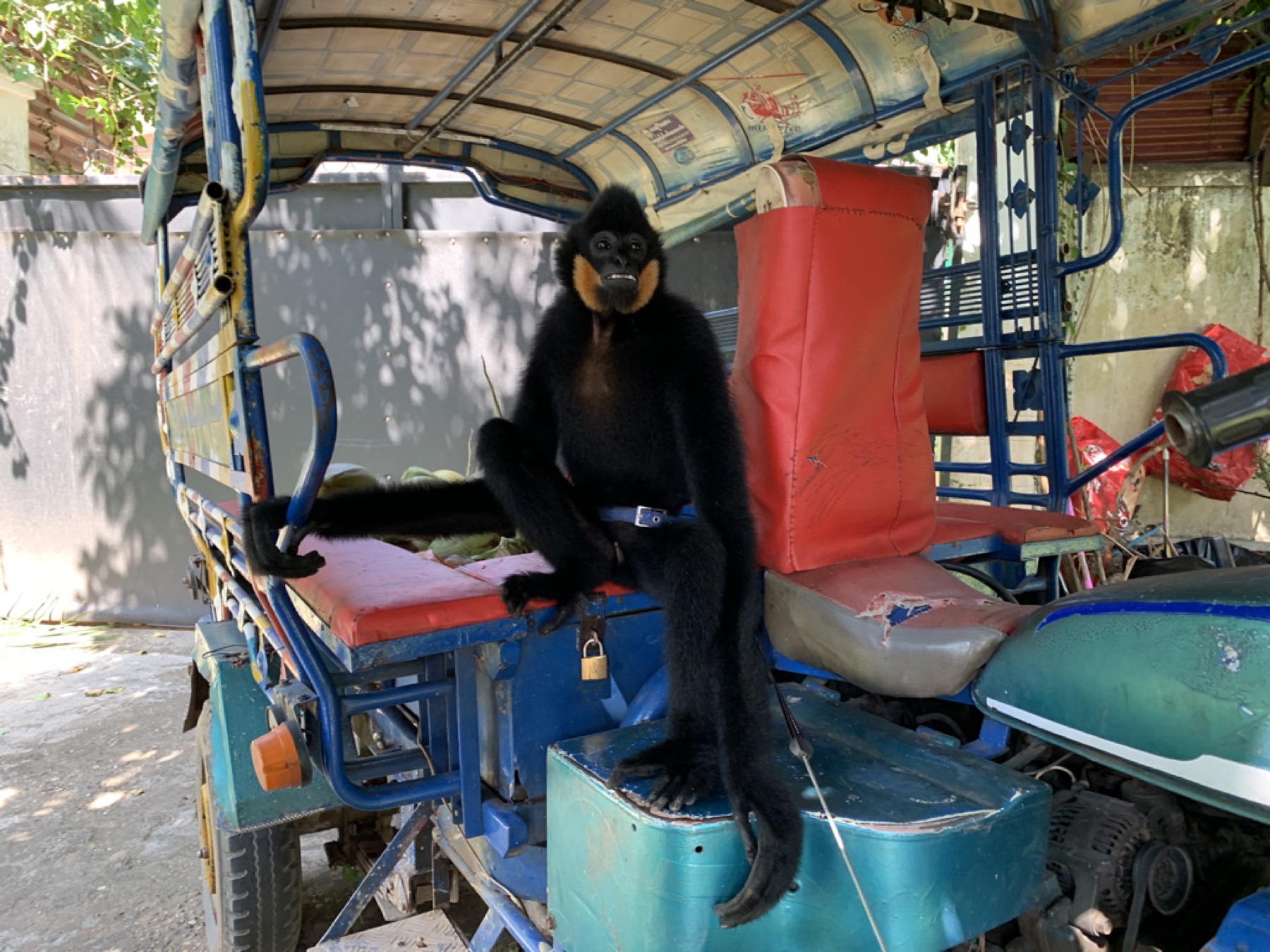
Boy the gibbon sitting inside a car at Sisattanak, Vientiane, March 2026
March 15, 2026  ·  Chapter VI

He sat behind the wheel
as if he'd been driving
for years.

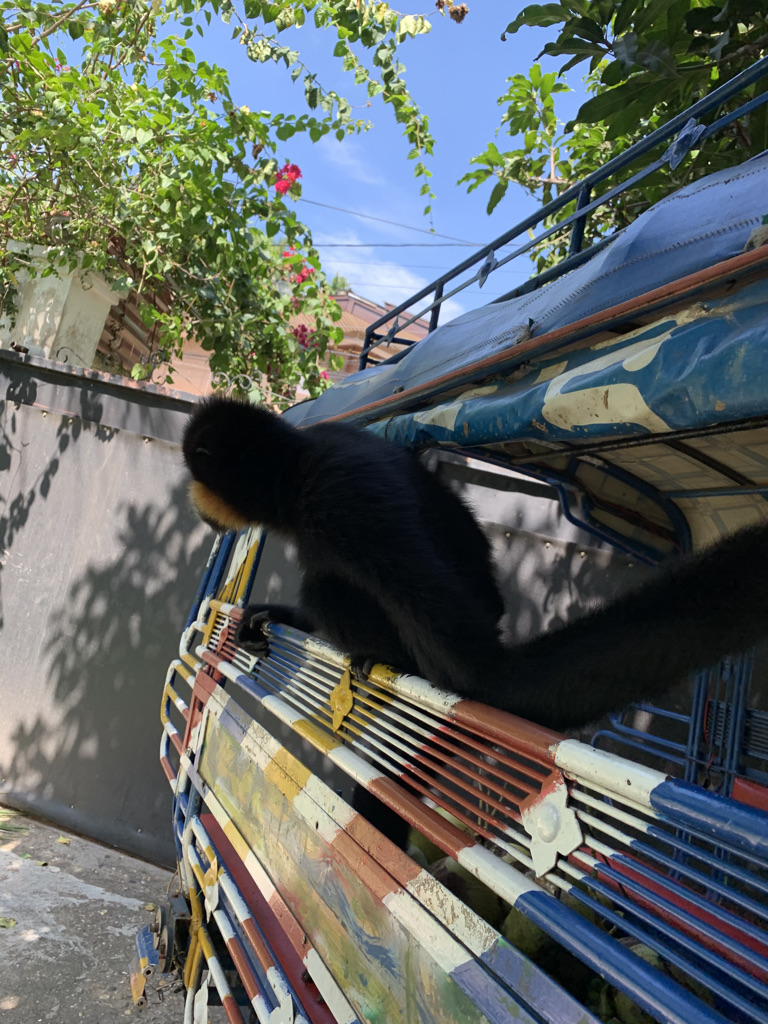
Nobody told him he was allowed. Nobody told him he wasn't. He climbed in, settled himself, and arranged his hands on the wheel with the casual confidence of someone for whom ownership is less a legal concept and more a matter of showing up.

This is the thing about Boy, after ten years: he has long since stopped asking permission to belong. He belongs. That question closed somewhere between the bottle feedings and the first monsoon he spent indoors, watching the rain with professional interest.

Just another Tuesday in a life that has turned out to be extraordinary by being, stubbornly and magnificently, ordinary.

Sisattanak, Vientiane — March 2026

1 147 Photos  ·  10 Years
Boy in Light

Ten years of mornings, afternoons, naps, theft, laughter, and song — one hundred photographs across five chapters.

370 Videos  ·  10 Years

Boy in Motion

A gibbon in still photographs is a beautiful thing. A gibbon in motion is something else entirely — living, swinging, singing, stealing bananas, claiming cars, and conducting his life with the authority of someone who has never doubted for a second that he belongs exactly where he is.

The Art of the Swing
2020 · Vientiane · Bientôt disponible
Early Days
2017 · Baby
The Shoulder Years
2019 · Adolescence
Portrait
2021 · Close-up
Behind the Wheel
2026 · Récent

370 vidéos · Publication prochaine

About the Species

The Yellow-cheeked Gibbon

Nomascus leucogenys — a song, a swing, and an endangered life.

Boy is a yellow-cheeked crested gibbon (Nomascus leucogenys). Males are jet black with distinctive golden-yellow cheek patches — Boy's most striking feature. This species is Critically Endangered on the IUCN Red List, with fewer than 2,000 individuals estimated to remain in the wild across Vietnam, Laos and southern China.

Boy has lived in Vientiane, Laos since August 2016. He holds official CITES Certificate No. 2652, issued April 30, 2026 by the Lao Ministry of Agriculture and Forestry, confirming his legal status as a registered individual of a CITES Appendix I species.

Gibbons produce some of the most complex vocal performances in the animal kingdom. They sing elaborate duets at dawn — the male produces a series of accelerating notes, the female a long, sweeping crescendo called the "great call." These songs can carry more than a kilometre through forest. Boy sings every morning, though his audience is somewhat smaller than intended by evolution.

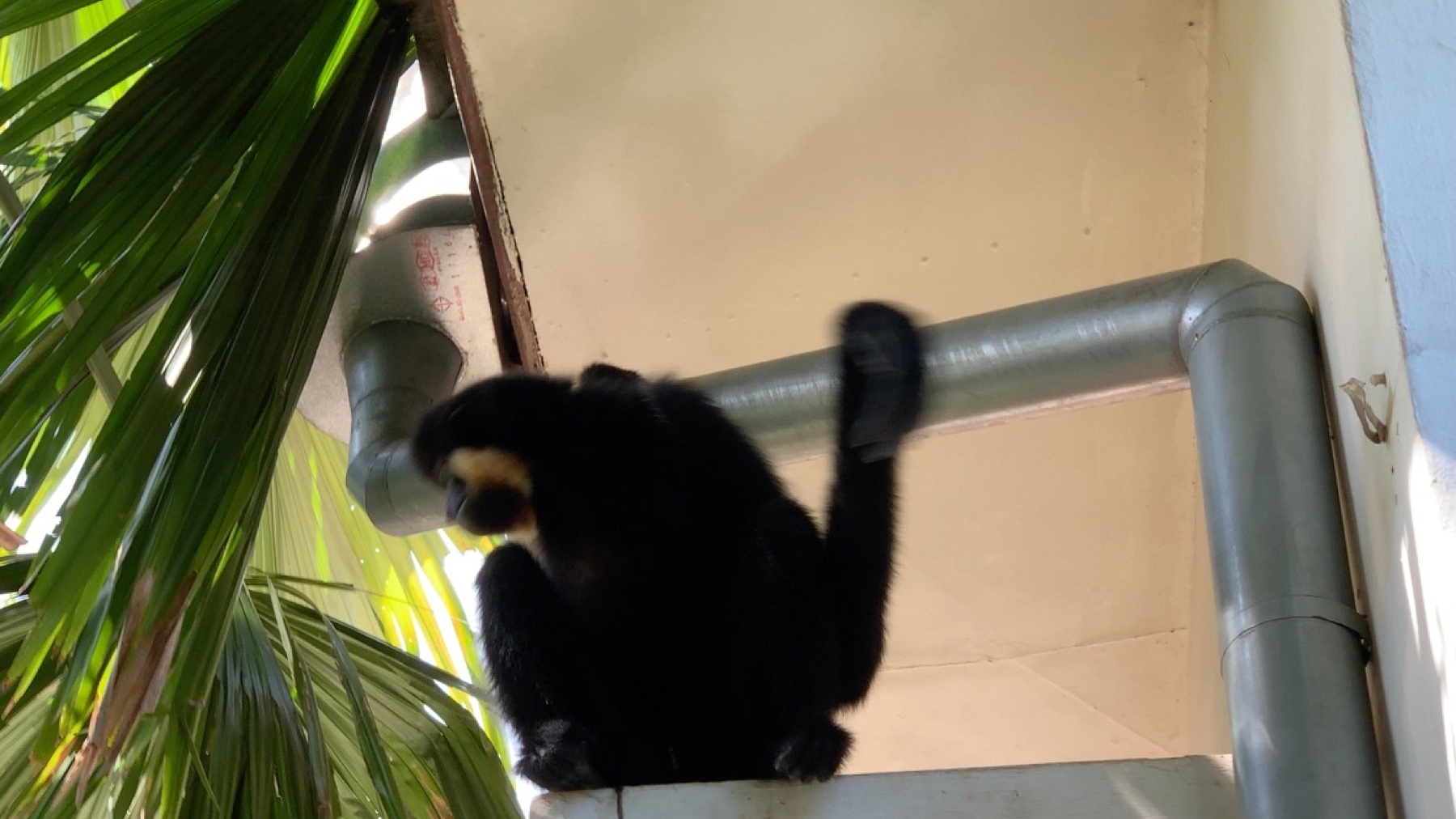
Brachiation is the art of swinging arm-over-arm through the canopy — the gibbon's primary form of locomotion. Gibbons are the fastest non-flying arboreal mammals on earth, reaching speeds of up to 55 km/h through trees. Their arms, the longest of any primate relative to body size, allow them to swing through gaps too wide for any other ape to cross. Boy demonstrates this daily on whatever structure he finds most convenient.

Yes — all gibbon species are threatened, and Boy's species is Critically Endangered. Primary threats are habitat loss through deforestation in Southeast Asia, hunting, and capture for the illegal pet trade. Gibbons are protected under CITES Appendix I. Boy's legal registration under the Lao CITES framework is part of the national effort to document and protect these animals.

In the wild, gibbons typically live 25–30 years. In human care, with veterinary support and consistent nutrition, they can reach 40–50 years. Boy has been with his family for a decade — if he lives a full life, this story has a long way yet to go.

2016  —  2026

Ten years.
One gibbon.
No regrets.

There are stories that end neatly, with lessons and conclusions and a moment where the music swells. Boy's story is not that kind of story. It is still being written — in the morning when he vocalises from the garden, in the evening when he finds his way back inside, in every small daily negotiation between a wild creature and a domestic life that he has somehow made entirely his own.

He is not saved. He is not tamed. He is simply here — which is, perhaps, the most remarkable thing of all.

10Years Together
1,147Photographs
370Videos

Official CITES Certificate  #2652
Nomascus leucogenys  ·  Vientiane, Lao PDR
Issued 30 April 2026  ·  CITES Appendix I

Musique · Zaïre
Franco & TPOK Jazz
1972 · 1973 · 1974